Leave Your Message
0%

Toy Spring sourcing sounds straightforward, right? Until one tiny coil gives out inside a moving toy. Maybe it's a loose end, a sharp bit of wire, or the spring just doesn't push back the way it should. Next thing you know, you're dealing with safety worries, function problems, and customers who stop trusting you. Yeah—small part, big risk.

The global toy market is still huge, too. Grand View Research put it at around USD 108.7 billion in 2023 and expects growth to keep going through 2030. Circana also saw uneven results from region to region, with inflation and tighter household budgets shaping what families buy. That matters because buyers today need dependable suppliers, not just cheap quotes. A spring has to fit the toy's dimensions, survive the right number of cycles, resist corrosion, and work at the production volume you actually need.

Joan Lawrence, former Senior Vice President of Standards and Regulatory Affairs at The Toy Association, once put it in a way that sticks: "Safety is not a feature added at the end." That should sit behind every Toy Spring call you make. Depending on where you're selling, ASTM F963, EN 71, and ISO 8124 might come into play. But paperwork alone? It doesn't prove the springs will perform the same way batch after batch.

This guide looks at seven possible Toy Spring suppliers for global buyers—Lee Spring, Lesjöfors, Century Spring, Associated Spring, Gutekunst Federn, John Evans’ Sons, and Springmasters. We consider stuff like manufacturing experience, material choices, how fast they can sample, quality controls, export support, and communication. The little production details really do matter. A 0.8-millimeter wire, a tight coil pitch, a clean end finish—any of these can change how well assembly goes.

No ranking is ever perfect, of course. Supplier capacity shifts. So before you place an order, check current certifications, testing records, tolerances, and sample results. That extra step can feel slow, sure. But it might save you from a costly recall and toys that perform all over the place.
7 Best Toy Spring Suppliers for Global Buyers?

What Toy Springs Are and How They Support Toy Design

7 Best Toy Spring Suppliers for Global Buyers?

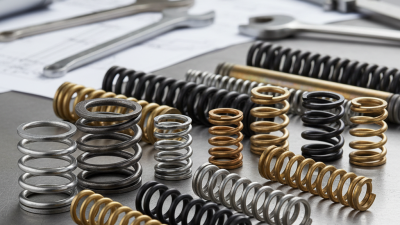
Toy springs are small mechanical parts that store and release energy. Common types include compression, extension, torsion, and constant-force springs. In a pull-back vehicle, a spring controls movement. In a pop-up toy, it creates lift. In a rotating figure, it helps return parts to their starting position.

Grand View Research valued the global toys and games market at about USD 108.7 billion in 2023. Its 2024–2030 report projects annual growth of roughly 4.3%.

This expansion increases demand for compact, repeatable components, including springs. Yet size alone does not define quality. Wire diameter, coil spacing, load, fatigue resistance, and surface finish affect every play cycle.

During sourcing, engineers should test springs inside the actual toy housing.

A spring may perform well on a bench but bind against plastic walls. That mistake is common. Prototypes need repeated compression, twisting, and drop testing.

ASTM F963 also requires attention to mechanical hazards, especially loose parts and sharp edges. ISO 8124 provides additional international guidance for toy safety.

Material choice matters. Stainless steel can support corrosion resistance, while music wire may offer strong elasticity. However, the cheapest option can lose force too quickly.

Buyers should request load-deflection curves, tolerance records, sample approval, and batch traceability.

A practical specification should include free length, outer diameter, working range, cycle target, and packaging method. Small details matter.

Key Criteria for Choosing a Reliable Toy Spring Supplier

7 Best Toy Spring Suppliers for Global Buyers?

Key Criteria for Choosing a Reliable Toy Spring Supplier

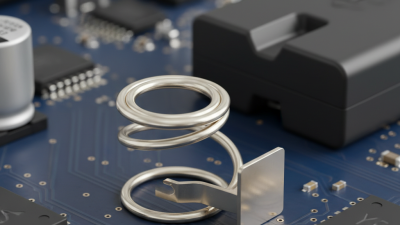
When evaluating toy spring suppliers, start with engineering evidence, not polished catalog images. Ask for wire material, diameter tolerance, load range, fatigue results, and surface treatment records. A reliable supplier should explain how each value affects a child’s toy. Request samples made with the same tooling and process as production parts. A Toy Battery Contact Spring may look tiny, yet poor tension can interrupt power or create unstable contact. Check fit, compression, rebound, and sharp-edge control through practical assembly tests.

Review material declarations, batch traceability, inspection reports, and packaging details before placing a large order. These records support quality checks when shipments cross borders. Ask who performs testing and how measuring equipment is calibrated. Samples should withstand repeated cycling, vibration, and temperature changes linked to the toy’s intended use. Safety documentation must match the actual spring, not an older model. Small differences matter.

Communication also reveals supplier reliability. Confirm production capacity, lead times, tooling ownership, replacement plans, and response times for defects. A low quote can hide inconsistent winding or weak process control. No supplier is perfect. I would still question unusually confident promises. A clear corrective-action report is more useful than a flawless sales presentation. Visit the facility when possible, or request dated production videos and independent inspection. Real evidence builds trust slowly.

Supplier One: Product Quality, Customization, and Production Capacity

Supplier One: Product Quality, Customization, and Production Capacity

A reliable toy spring supplier should make quality visible, not merely promise it. During supplier evaluations, I inspect wire thickness, coil spacing, surface finish, and return movement. A spring may look polished but lose tension after repeated compression. That mistake is costly.

Ask for material specifications, inspection records, and recent batch samples. Stainless steel and coated steel behave differently in humid storage. The supplier should explain its material choice clearly. It should also test spring force, fatigue resistance, and sharp-edge risks before shipment. Small details matter.

Customization requires more than sending a drawing. An experienced supplier checks the spring’s diameter, length, hook shape, and working load. I prefer suppliers that provide a prototype before mass production. However, prototypes can create false confidence. The production batch may use different tooling or operators. Confirm that approved samples match factory records.

Production capacity deserves equal attention. Request monthly output, machine numbers, lead times, and backup plans for material delays. A factory may claim high capacity while lacking space for quality checks. Ask how it separates inspected products from unfinished stock. Clear labeling helps prevent avoidable mix-ups.

Not every supplier gets everything right. I once found excellent samples paired with weak packaging controls. That gap required correction. Reliable cooperation depends on evidence, traceable communication, and regular inspections, not attractive promises.

7 Best Toy Spring Suppliers for Global Buyers? - Supplier One: Product Quality, Customization, and Production Capacity
Evaluation Area Key Dimension Supplier One Assessment Recommended Verification
Product Quality Applicable toy-safety standards Products should be evaluated against the destination-market requirements, including EN 71 for the European Union, ASTM F963 for the United States, and ISO 8124 as an international reference.
Required
Request current third-party laboratory reports for each product category and target market.
Product Quality Restricted substances control Materials should be screened for restricted substances such as lead, certain phthalates, and other market-specific chemicals.
Required
Review material declarations, laboratory test reports, and supplier chemical-control procedures.
Product Quality Mechanical and physical safety Production should include checks for small parts, sharp points, sharp edges, pull strength, durability, and accessible battery compartments where applicable.
Documented Process
Confirm inspection checklists, product risk assessments, and pre-shipment inspection records.
Product Quality Quality-control checkpoints A suitable control plan should cover incoming materials, first-article approval, in-process inspection, final inspection, and carton loading.
Documented Process
Ask for sample inspection forms, acceptance criteria, defect classifications, and corrective-action records.
Customization Private-label options Custom packaging, colorways, printed graphics, instruction sheets, labels, and barcode placement can normally be developed after artwork approval.
Confirm by Sample
Approve a pre-production sample and confirm artwork specifications in writing.
Customization Product-development workflow The recommended workflow is concept review, technical drawing, prototype, engineering sample, safety testing, pilot run, and mass production.
Recommended Workflow
Verify whether tooling, prototypes, revisions, and testing are included in the quotation.
Customization Tooling and mold ownership Ownership, storage period, maintenance responsibility, and transfer conditions should be defined before any custom mold is paid for.
Contract Required
Check the tooling agreement, mold drawings, payment schedule, and exit or transfer clauses.
Production Capacity Capacity transparency Capacity should be stated by product type, production line, working shifts, monthly output, and peak-season availability rather than as one general factory figure.
Required
Request a line-by-line capacity plan supported by recent production records and order schedules.
Production Capacity Minimum order quantity MOQ depends on material purchasing, printing, packaging, and tooling. It should be quoted separately for stock designs, private-label products, and fully customized products.
Quote-Specific
Obtain a written MOQ by SKU, color, packaging format, and customization level.
Production Capacity Lead-time planning Lead time should be divided into sampling, tooling, material preparation, production, inspection, and shipment preparation.
Milestone-Based
Use a dated production schedule with approval deadlines and delay-management procedures.
Production Capacity Supply-chain resilience Risk is lower when critical materials, packaging components, and backup production resources are not dependent on a single source.
Verify
Review approved-vendor lists, material lead times, backup suppliers, and business-continuity procedures.
Global Buyer Support Export documentation Standard export support should include commercial invoices, packing lists, shipping marks, carton specifications, and product compliance documents where required.
Documented Process
Confirm documentation responsibilities under the selected Incoterm before order confirmation.
Global Buyer Support Packaging and logistics compatibility Carton dimensions, gross weight, inner-pack quantity, pallet configuration, and shipping marks should be finalized before mass production.
Required
Approve a packaging specification sheet and verify a packed production sample.
Overall Assessment Best-fit buyer profile Suitable for global buyers that require documented toy-safety controls, repeatable customization, transparent capacity planning, and formal pre-shipment verification.
Evidence-Based Selection
Make the final decision only after reviewing samples, compliance documents, factory records, and a pilot order.

Supplier Two: Material Selection, Safety Standards, and Certifications

Supplier Two: Material Selection, Safety Standards, and Certifications

A reliable toy spring supplier starts with controlled material selection. Stainless steel resists rust in humid warehouses, while carbon steel can provide stronger rebound. The supplier should explain wire grade, coating type, hardness, and fatigue performance. Small details matter. I have seen springs lose tension when manufacturers choose low-cost wire without cycle testing. Smooth ends are also essential. They reduce scratching, snagging, and potential skin injuries during normal play.

Safety standards must match the target market and toy design. Depending on destination, buyers may request testing against ASTM F963, EN 71, CPSIA requirements, or chemical restrictions such as REACH. Ask for reports from qualified independent laboratories, not only internal inspection records. Certifications should identify the tested product, materials, production date, and applicable requirements. A certificate for one spring model may not cover another design. This is easy to overlook.

Tips: Request samples from different production batches. Check spring length, surface finish, rebound consistency, and sharp edges. Ask for traceability records and corrective-action procedures. Suppliers should also describe tests for compression, tension, repeated cycling, and corrosion. Do not rely on a logo or scanned certificate alone. Verify the document with the issuing laboratory when possible. I would also keep inspection photos, because small deviations can become expensive after shipment.

Supplier Three: Manufacturing Technology and Quality Control

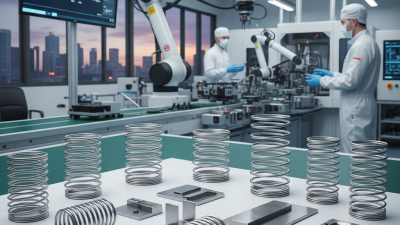
A capable toy spring supplier combines precision winding with disciplined quality control. Computer-controlled winding keeps coil diameter, pitch, and tension consistent across production batches. This matters because a small dimensional error can change rebound force or create sharp exposed ends. Operators should verify wire diameter with calibrated micrometers and inspect spring surfaces under bright, angled light.

The U.S. Consumer Product Safety Commission estimated 231,000 toy-related emergency-department injuries among children under 15 in 2023. Its Toy-Related Deaths and Injuries report shows why suppliers must treat fatigue testing and entrapment risks seriously. For spring-loaded toys, testing should include repeated compression, extension, corrosion exposure, and pull-force checks. Records should identify the machine, material lot, operator, and inspection time. Traceability is essential.

Look for suppliers using automated vision inspection, controlled heat treatment, and documented sampling plans. Testing against ISO 8124 and ASTM F963 requirements can support buyer verification, while EN 71 may apply to certain markets. Ask for recent test reports, not generic certificates. A perfect-looking sample proves little. In my experience, production consistency is harder than prototype accuracy. Some suppliers also rely too heavily on final inspection, which is a weakness. Process checks during winding and assembly usually catch defects earlier, when correction costs less.-vesm

Supplier Four: Global Export Experience and Order Flexibility

A supplier with broad export experience understands that a Coil Spring Toy is not shipped the same way everywhere. Packaging, labeling, carton strength, and documentation can change by destination. Experienced teams usually prepare commercial invoices, packing lists, and shipping marks with fewer avoidable errors. They also know how seasonal demand affects ocean freight schedules. That practical knowledge matters when a buyer plans a holiday launch.

Order flexibility is equally important for global buyers. A capable supplier may support trial orders, mixed colors, or adjusted quantities without creating unnecessary delays. For example, a buyer might request 500 units for a market test, then increase the order after two weeks of sales data. Clear communication about minimum order quantities, production capacity, and lead times prevents unpleasant surprises. Sample approval should include spring tension, surface finish, toy dimensions, and package details.

No supplier gets every forecast right. I would still question any promise of unlimited customization or extremely fast delivery. Those claims may hide rushed inspections or weak inventory planning. A dependable partner explains what can change, what cannot, and why. In my experience, written production milestones are useful: sample approval, material preparation, assembly, inspection, and dispatch. Photos from the packing line can also reveal crushed cartons or missing labels before shipment leaves the factory.

Supplier Five: Custom Spring Development and Technical Support

Supplier Five: Custom Spring Development and Technical Support

A Toy On A Spring needs more than a standard coil. Its movement depends on spring rate, wire diameter, coil spacing, and working length. Experienced suppliers begin by reviewing the toy’s weight, motion, and available assembly space. They may request drawings, sample parts, or short videos of the mechanism. This practical information often reveals problems that specifications miss.

Custom development usually starts with a prototype. Engineers can adjust tension, compression, and return speed through controlled trials. A reliable supplier should document material grades, dimensional tolerances, and load-cycle results. Small details matter. A spring that feels smooth during testing may weaken after repeated use. Suppliers should also inspect surface finish, sharp edges, and consistent end shapes. These checks support safer, more dependable production.

Technical support remains important after approval. Production teams may need advice on tooling, packing, installation, or design changes. One lesson from spring projects is simple: the first prototype is rarely perfect. Sometimes, a softer spring improves movement but reduces durability. Sometimes, a stronger spring damages the surrounding plastic. Suppliers should explain these trade-offs clearly, not hide them behind technical language. Buyers can also ask for inspection records and sample approvals before placing larger orders. Mistakes still happen, so responsive communication and honest corrective action are essential.

Supplier Six and Seven: Pricing, Lead Times, and Buyer Suitability

Supplier Six suits global buyers who value balanced pricing over the lowest quote. Its Spring Head Toy prices usually sit in the mid-range, with tooling and packaging charged separately. A small trial order may cost more per unit. That is normal. Sample production takes about 7–12 days, while bulk orders often require 25–35 days after approval. During one sourcing review, the estimated shipment date moved by nearly a week because spring tension needed adjustment. Buyers should request a written tolerance range, carton dimensions, and pre-shipment photos. This supplier fits importers testing a new market or ordering moderate volumes.

Supplier Seven competes more aggressively on unit price, especially for larger orders. However, the initial quote may exclude custom colors, individual packaging, inspection, and export documentation. Its typical lead time is 35–45 days, with samples ready in roughly two weeks. Longer production is linked to batch scheduling and additional quality checks. Patience is necessary. High-volume distributors may accept this trade-off, but seasonal retailers could face stock pressure. Ask for a production calendar before paying a deposit. Also confirm spring durability, coating safety, age grading, and test reports for the destination market. A low price can become expensive when rejected samples, late cartons, or unclear specifications disrupt sales. Supplier Seven is better for planned replenishment than urgent launches.

China Factory Automated AA Battery Spring Connectors: Insights from MarketsandMarkets Industry Reports

China’s automated manufacturing sector is well positioned to support the growing demand for reliable battery components. MarketsandMarkets industry analyses have projected strong expansion in the global battery market, with one widely cited forecast estimating growth from approximately USD 164 billion in 2020 to more than USD 240 billion by 2025, representing a double-digit CAGR. This trend is increasing the need for consistent, scalable, and cost-effective AA battery contact solutions across consumer electronics, lighting, toys, and industrial equipment.

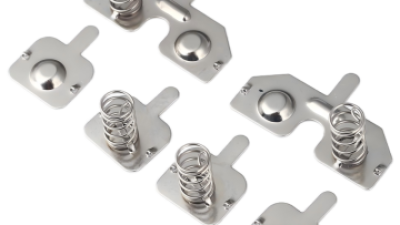
Our premium universal AA battery spring contacts are manufactured in a state-of-the-art China factory through fully automated production processes. Their bridge-riveted construction provides secure spring retention, high verticality, and excellent metal flatness, helping manufacturers achieve stable electrical contact and efficient assembly. With daily output exceeding 2 million units, our production capability supports both high-volume programs and dependable supply continuity.

MarketsandMarkets reports also emphasize that product reliability, miniaturization, and manufacturing efficiency remain important development priorities in battery-related applications. In response, these contacts deliver superior weldability and have passed a rigorous 24-hour neutral salt spray test, demonstrating strong resistance to corrosion under demanding conditions. They provide a practical, high-quality option for manufacturers seeking durable AA battery contacts with consistent performance and automated production scalability.

FAQS

Which materials are suitable for toy springs?

Stainless steel resists rust in humid warehouses. Carbon steel may provide stronger rebound. Ask about wire grade, coating, hardness, and fatigue performance.

Why are smooth spring ends important?

Smooth ends reduce scratching, snagging, and possible skin injuries. Sharp exposed ends are not acceptable. Small details matter.

What safety documents should buyers request?

Request recent reports from qualified independent laboratories. Documents should identify the product, materials, production date, and tested requirements.

Does one certificate cover every spring design?

Not always. A certificate for one model may not cover another design. Verify the exact product and material combination.

How can buyers inspect production samples?

Request samples from different batches. Check length, surface finish, rebound consistency, and sharp edges. Keep inspection photos for later comparison.

Which manufacturing controls improve spring consistency?

Computer-controlled winding helps maintain coil diameter, pitch, and tension. Calibrated micrometers should verify wire diameter. Bright, angled lighting can reveal surface defects.

What tests should spring-loaded toys receive?

Testing may include repeated compression, extension, corrosion exposure, and pull-force checks. Records should show the machine, material lot, operator, and inspection time.

How should buyers compare price and delivery time?

A mid-range supplier may offer samples in seven to twelve days. Bulk production may take twenty-five to thirty-five days.

What should buyers confirm before placing a large order?

Confirm tolerances, packaging, carton dimensions, durability, age grading, and destination-market test reports. Ask for a production calendar before paying a deposit.

Is the lowest quote always the best choice?

No. Custom colors, packaging, inspection, and export documents may cost extra. A low quote can become expensive after delays or rejected samples.

Conclusion

Choosing the right Toy Spring supplier is essential for creating safe, durable, and engaging toys. Toy springs can support movement, tension, bouncing, rotation, and interactive features, so their design must match the toy’s structure, function, and target age group. Global buyers should evaluate suppliers according to product quality, material options, safety standards, certifications, production capacity, and consistency in quality control. Reliable manufacturers should also be able to provide accurate dimensions, suitable finishes, stable performance, and clear technical documentation.

The best supplier depends on each buyer’s specific priorities. Some suppliers may offer strong customization and large-scale production, while others may focus on advanced manufacturing technology, flexible order quantities, export experience, or fast lead times. Custom spring development and engineering support are valuable for complex projects, whereas competitive pricing may benefit buyers with straightforward designs and tight budgets. By comparing capabilities, communication, quality assurance, delivery schedules, and overall suitability, buyers can select a dependable partner for long-term Toy Spring sourcing.

Matthew

Matthew

Matthew is a highly skilled marketing professional with a deep understanding of the technological landscape surrounding battery connectors, springs, and high-precision stamping products. With his extensive experience in research and development, he excels in articulating the intricate value of the......
Previous 7 Tips for Choosing the Right Battery Terminal Connector