You know, Battery Clamp Plates might not always get much praise, but those little formed metal parts actually play a big role. They’re like the unsung heroes keeping battery modules secure — even when things get bumpy, or there’s a lot of handling and repeated use. If you look closely, their quality really shows in tiny details: flat contact surfaces, holes that line up just right, clean-cut edges, and coatings that stay stable. Those small imperfections matter more than you’d think — they can impact how well everything fits together, how quickly assembly goes, and even how reliable it is down the line.
The market for these components is actually growing fast. According to the International Energy Agency’s Global EV Outlook 2024, the demand for electric vehicle batteries shot past 750 gigawatt-hours in 2023 — that’s about a 40% jump from the previous year. Now, that’s just for batteries, not the clamp plates specifically, but it kind of puts things into perspective. Customers are paying more attention now — scrutinizing tool design, material traceability, production controls, and how quickly suppliers can deliver. Fatih Birol, the IEA’s boss, put it nicely when he said, “The global shift to clean energy is happening, and it’s unstoppable.” Now, he’s talking about the bigger energy transition, not just clamp plates, but it’s a good reminder that this whole industry is in flux.
In this guide, I’ve compared some of the top Chinese manufacturers based on real-world criteria—things like their product range, how much they can customize, their quality management systems, and their experience with exporting. But here’s the thing: having a fancy website isn’t enough. When you’re serious about ordering, you’ve gotta double-check things like detailed drawings, samples, inspection reports, and clear communication about tolerances before committing to a big order. Not all supplier info is crystal clear, and just because they say they’re good doesn’t always mean the quality is consistent. That’s worth keeping in mind. Ultimately, the best supplier choice depends on what you need for your specific application — not just going for the cheapest quote on the table.
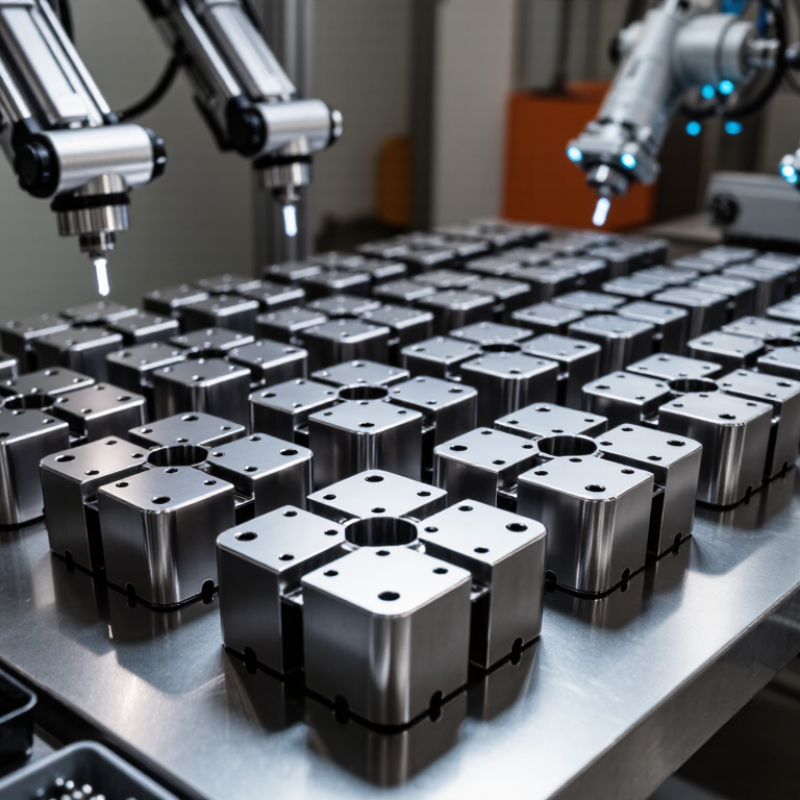
What Battery Clamp Plates Are and How They Work
A battery clamp plate is a shaped metal component that holds a battery securely inside its housing. It helps limit movement caused by vibration, handling, or routine equipment use. The plate may press against a battery edge or work with bolts, brackets, and a support surface. Fit matters. A plate that is too loose can allow rattling, while excessive pressure may stress the casing.
In a typical assembly, installers position the battery, align the clamp plate, and tighten its fasteners evenly. The plate transfers holding force to the mounting structure rather than relying on friction alone. Rounded edges and a suitable finish can reduce wear where metal meets the battery or nearby parts. A Battery Spring Plate may add controlled flexibility, helping maintain contact as components shift slightly. Still, spring action is not a substitute for correct sizing.
Material, thickness, hole placement, and operating conditions all affect performance. For example, a thin plate may flex under repeated vibration, while a poorly aligned fastener can create uneven pressure. These details are easy to overlook. Checking clearance, corrosion exposure, and the battery maker’s mounting guidance can prevent avoidable problems. No clamp design fits every enclosure, so prototypes and inspection remain useful—even when the drawing looks perfect.
Common Materials and Manufacturing Processes
Battery clamp plates commonly use copper or copper alloys when low electrical resistance matters. Stainless or carbon steel may suit parts needing stiffness, while aluminum can reduce mass. A Battery Contact Plate may also receive tin, nickel, or silver plating to limit oxidation and improve contact. Fit matters most. The coating, edge finish, and flatness all affect reliable contact.
Manufacturing often begins with sheet-metal blanking or progressive-die stamping. Parts are then deburred, formed, cleaned, and plated; thicker designs may require machining. The International Energy Agency’s Global EV Outlook 2024 reports that electric-vehicle battery demand exceeded 750 GWh in 2023, up about 40% from 2022. That scale raises the value of repeatable production, but does not dictate one plate material. The International Aluminium Institute reported roughly 70.6 million tonnes of global primary aluminium production in 2023; availability alone is not a design test. One trade-off remains. Plating can improve surface performance, yet adds process controls and cost. Even a small burr can matter, so inspection should check contact surfaces—not just overall dimensions.
China’s Battery Clamp Plate Industry at a Glance
Who Are the Top Battery Clamp Plate Manufacturers in China?
China’s Battery Clamp Plate Industry at a Glance
China’s battery clamp plate industry serves manufacturers of energy storage systems, industrial batteries, and other cell assemblies. Suppliers may offer stamped steel, formed metal, or custom-fabricated plates, depending on load and production needs. A clamp plate helps hold cells in position and maintain consistent compression. Small dimensional errors can affect assembly, so buyers often review drawings, tolerances, surface finishes, and inspection records. The part is not a Battery Negative Plate; it is a structural component around the cell assembly.
Production capability varies. Some factories focus on high-volume stamping, while others handle smaller custom orders. Ask how suppliers control flatness, hole positions, coating thickness, and batch consistency. Request sample parts and measurement reports where practical. Still, paperwork cannot reveal every production issue. A sample may fit well, yet repeated batches can differ. That deserves attention.
Tips: Share the cell layout, operating environment, target load, and expected order volume before requesting quotes. Check packaging too; bent edges can complicate installation. Brief, specific questions often reveal more than broad claims.
Who Are the Top Battery Clamp Plate Manufacturers in China? - China’s Battery Clamp Plate Industry at a Glance
This is a non-ranked industry overview, not a verified list of individual manufacturers. It summarizes common supplier capability types and evaluation factors; actual materials, processes, and specifications vary by product and customer requirements.
How to Evaluate Chinese Battery Clamp Plate Manufacturers
To evaluate Chinese battery clamp plate manufacturers, begin with the part’s working conditions, not a catalog photo. Share the battery dimensions, terminal layout, expected vibration, and installation space. Ask for drawings that show hole spacing, plate thickness, edge treatment, and tolerances. A capable supplier should explain its material choices and how the clamp maintains pressure without damaging the battery case. Details matter.
Review how the factory controls production. Request a sample and compare its measurements with the drawing using calipers. Inspect bends, welds, coating coverage, and sharp edges. Ask what checks occur during forming and final inspection, and whether measurement records can be linked to a production batch. Discuss corrosion exposure and packaging, too; small parts can arrive scratched or distorted. A polished sample is useful, but it cannot prove every production run will match. Verify that point rather than assume.
Tips: Request a written specification, sample lead time, defect-handling process, and clear answers about tooling ownership. Keep questions practical. If replies remain vague, pause before approving a large order.
How to Evaluate Chinese Battery Clamp Plate Manufacturers
Suggested evaluation weighting for supplier audits. These percentages are a practical assessment framework, not results from a market survey or rankings of specific manufacturers.
Prioritize verifiable evidence: drawings and inspection records for dimensional accuracy, material certificates for traceability, test reports for corrosion resistance and durability, and documented quality systems and delivery performance.
Leading Battery Clamp Plate Manufacturers in China
Leading Battery Clamp Plate Manufacturers in China
Leading battery clamp plate manufacturers in China are best assessed by their engineering depth, production controls, and ability to support consistent fit. A clamp plate must hold battery modules securely without distorting nearby parts. Material choice, thickness control, hole position, and edge finish all matter. Ask whether the supplier can provide drawings, material specifications, and inspection records. A polished sample helps, but repeatable production matters more.
Experienced manufacturers should explain how they manage stamping or machining tolerances, corrosion protection, and changes between prototype and production. Request sample parts and check their dimensions against your assembly. Look closely at mounting holes, bends, burrs, and coating coverage. Ask how rejected parts are traced and corrected. A low quote can hide tooling or inspection limits. That deserves a second look. No single supplier is right for every design, and a rushed comparison may miss important details.
Tips: Share a clear drawing and expected order volume before requesting a quote. Confirm lead times, packaging, and sample approval steps in writing. If requirements are still changing, say so; that may complicate pricing, but it supports a more realistic discussion.
Key Applications, Quality Standards, and Export Capabilities
Battery clamp plates appear in passenger cars, commercial vehicles, and stationary battery systems. They help maintain firm electrical connections through vibration, heat, and repeated servicing. In lead-acid designs, the Battery Positive Plate is an active electrode; the clamp plate serves a different, connection-related function. That distinction matters.
Demand is expanding. The International Energy Agency’s Global EV Outlook 2024 reports that electric-vehicle battery demand exceeded 750 GWh in 2023, about 40% above 2022. For manufacturers, this growth raises expectations for consistent dimensions, low contact resistance, corrosion protection, and reliable torque performance. Small detail, big consequence. Buyers should request inspection records and test results, not rely on a certificate alone.
Quality systems such as ISO 9001 and, for automotive supply chains, IATF 16949 can support process control. Useful checks include plating thickness, clamp fit, vibration resistance, and batch traceability. Export-ready suppliers should provide clear material declarations, packing details, and destination-specific compliance documents, including RoHS or REACH information where applicable. Still, paperwork cannot reveal every weak joint; incoming sample testing remains sensible.
Inside a 2-Million-a-Day Factory: How 18650 Battery Connectors Are Made at Scale
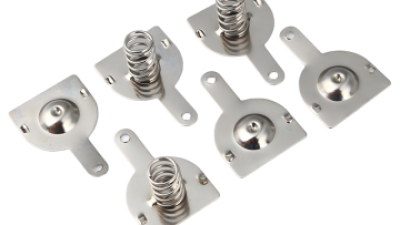
Inside a high-volume 18650 battery connector factory, production is designed to keep pace with demanding orders without compromising consistency. The process centers on fully automated bridge riveting, which joins each contact spring securely and helps prevent spring detachment. With this automated line, the factory can produce more than two million sets per day, while maintaining repeatable assembly across large production runs.
Each contact spring is made for reliable fit and electrical connection. Carefully controlled forming helps achieve excellent verticality and flatness, supporting stable placement and smooth soldering during battery assembly. Quality checks also include a 24-hour neutral salt spray test to assess corrosion resistance. Manufactured in China by experienced suppliers, these 18650 battery contacts are intended for applications that require dependable components, consistent output, and durability in everyday use.
FAQS
It helps hold cells in position and maintain consistent compression. Small fit errors can matter.
Copper or copper alloys suit applications where low electrical resistance matters. Steel adds stiffness, while aluminum can reduce weight. No single material fits every design.
Production may use sheet-metal blanking or progressive-die stamping. Parts are deburred, formed, and cleaned. Thicker designs may need machining. Processes vary.
Tin, nickel, or silver plating can limit oxidation and improve contact. Coatings add cost and require process controls. They are not a cure-all.
Review flatness, hole positions, edge finish, tolerances, and coating thickness. A small burr can affect contact or assembly. Easy to miss.
Request sample parts and measurement reports, and ask how batches are inspected. A good sample cannot prove every later batch will match. That deserves a second look.
Share the cell layout, operating environment, target load, and expected order volume. Clear drawings help. Packaging matters too; bent edges can complicate installation.
No. Demand and material availability do not replace design checks. Consider load, fit, electrical needs, and manufacturing limits. Details decide.
Conclusion
A Battery Clamp Plate is a structural component that helps secure battery cells or modules, maintain alignment, and withstand vibration and mechanical stress. Its performance depends on factors such as material selection, plate design, surface treatment, and manufacturing precision. Common production approaches include cutting, stamping, machining, and forming, with quality checks used to confirm dimensions, strength, and consistency.
China’s battery clamp plate industry serves a range of battery and equipment applications, with manufacturers differing in technical capability, production capacity, customization, and export experience. Buyers can assess suppliers by reviewing material specifications, process controls, testing procedures, communication, and delivery reliability. Understanding relevant quality standards and application requirements helps ensure that a selected manufacturer can provide plates suited to the intended operating conditions and support dependable battery assembly.