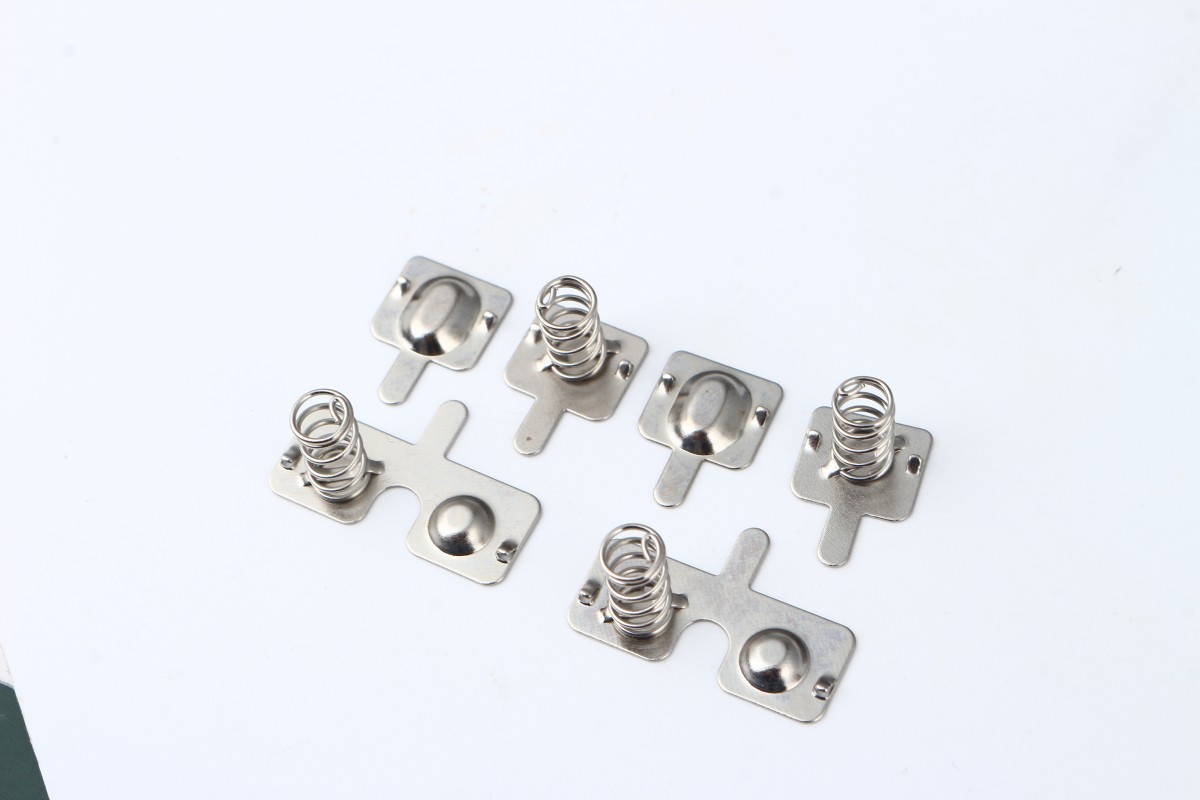
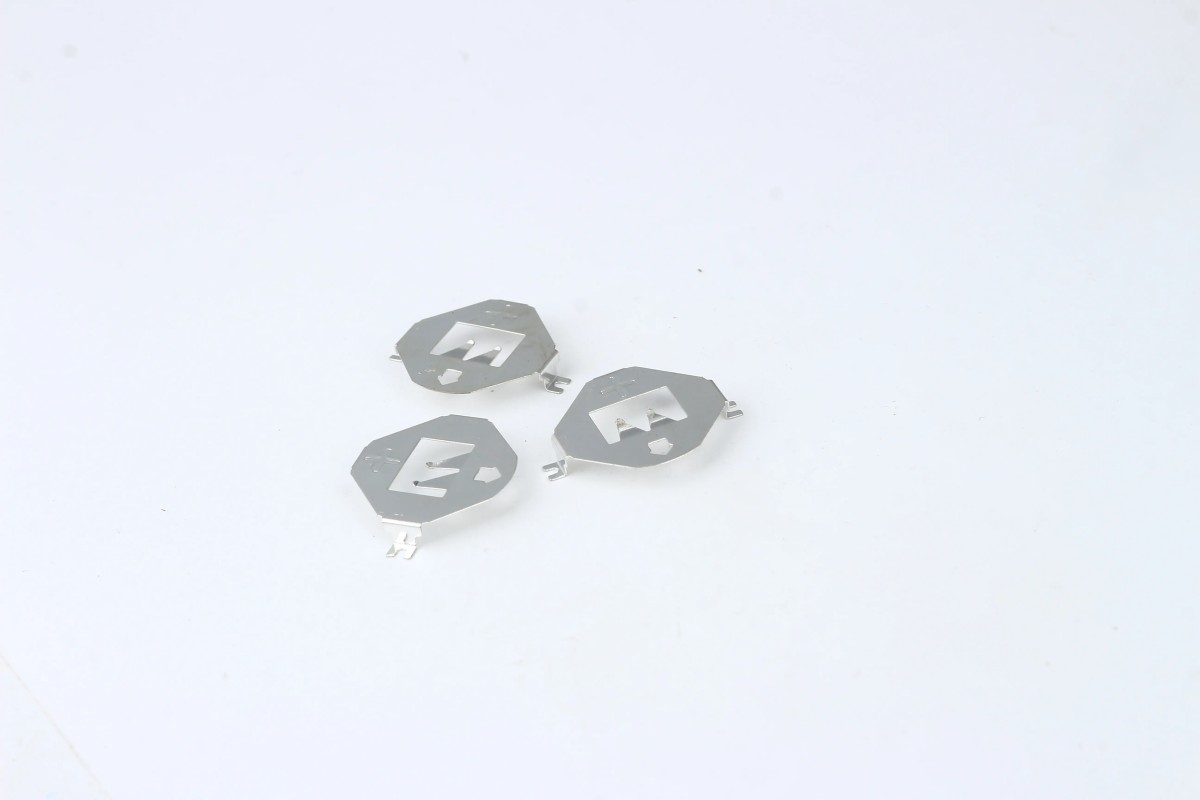
A battery spring usually features a substrate thickness of merely 0.2‑0.5 mm and weighs less than 1 gram apiece. As a critical electrical contact between batteries and complete devices, it undertakes three core functions: electrical conduction, positioning and vibration resistance. Used in end‑products including toys, consumer electronics, medical devices, lighting fixtures and smart locks, battery springs affect not only technical parameters but also the market reputation of finished goods. They go unnoticed when functioning properly, yet a single defective unit may trigger batch‑level product recalls.
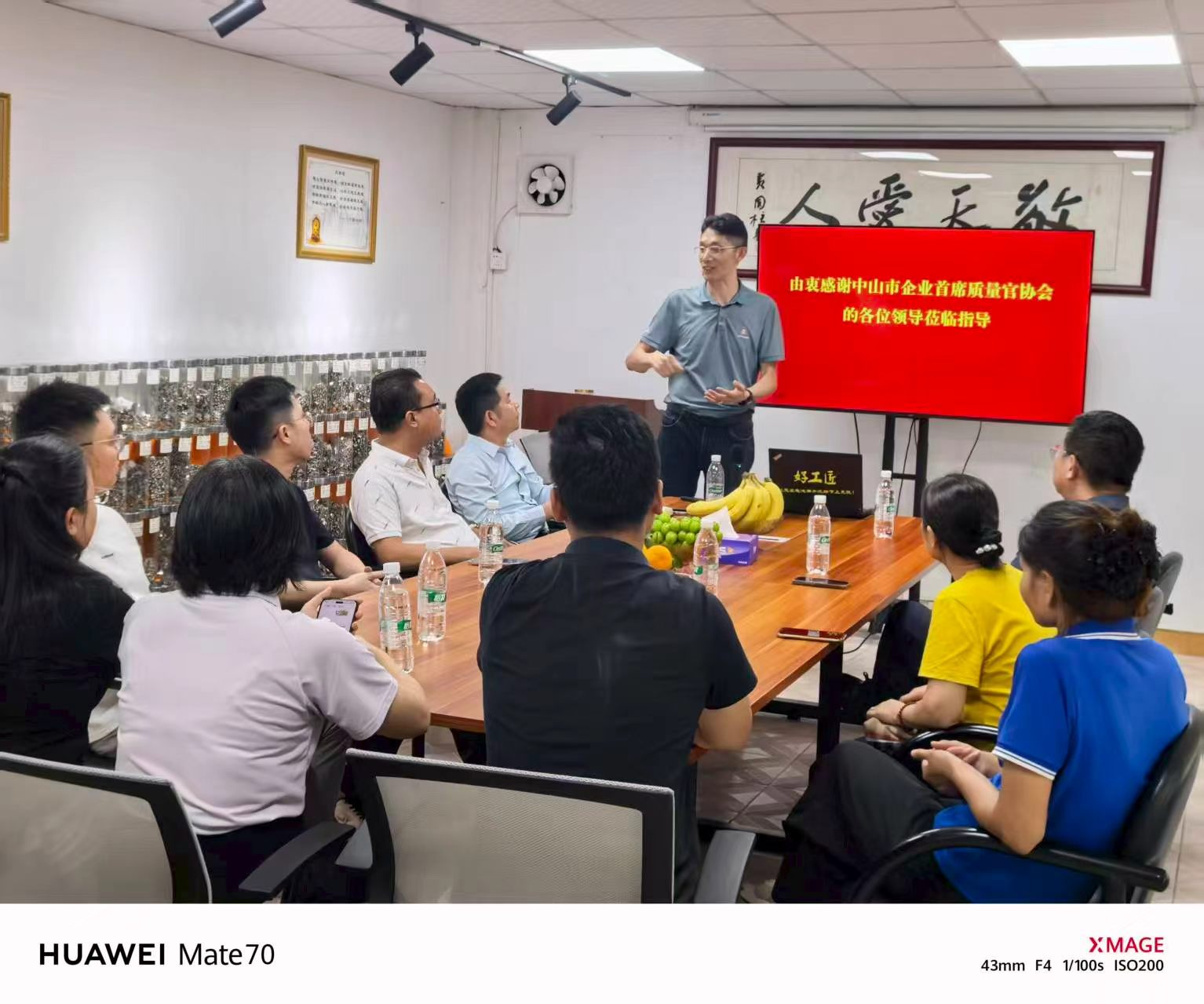
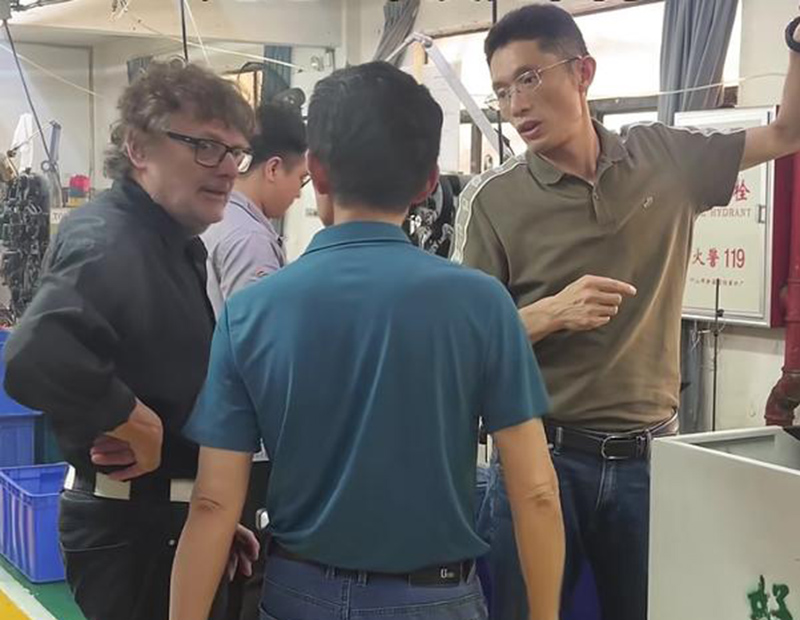
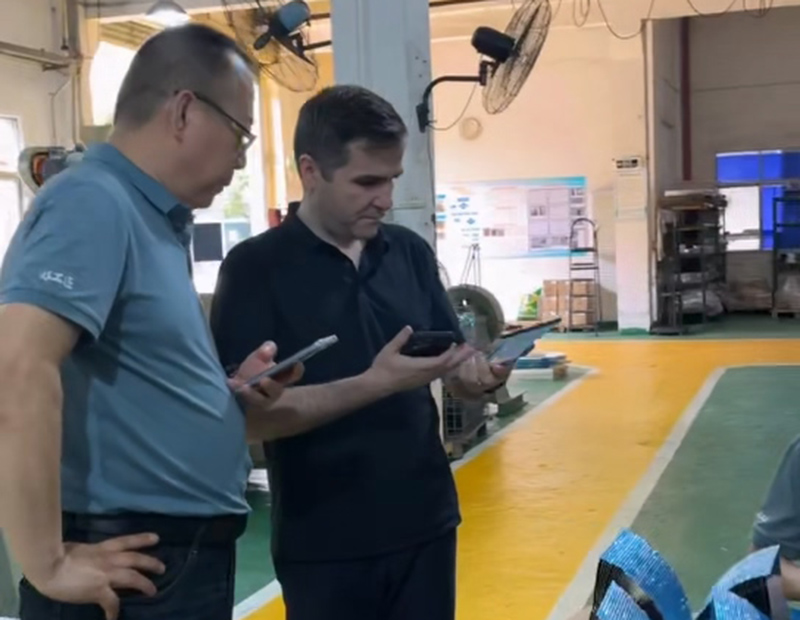
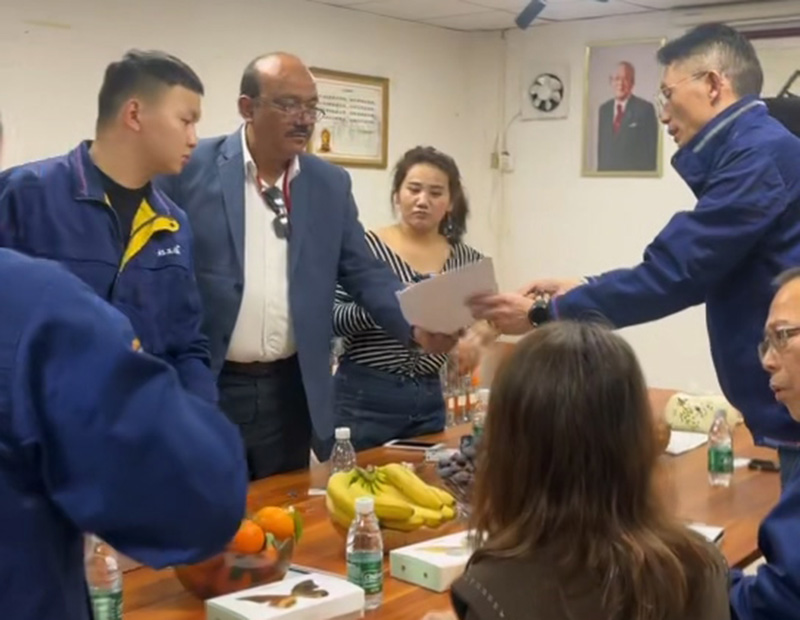
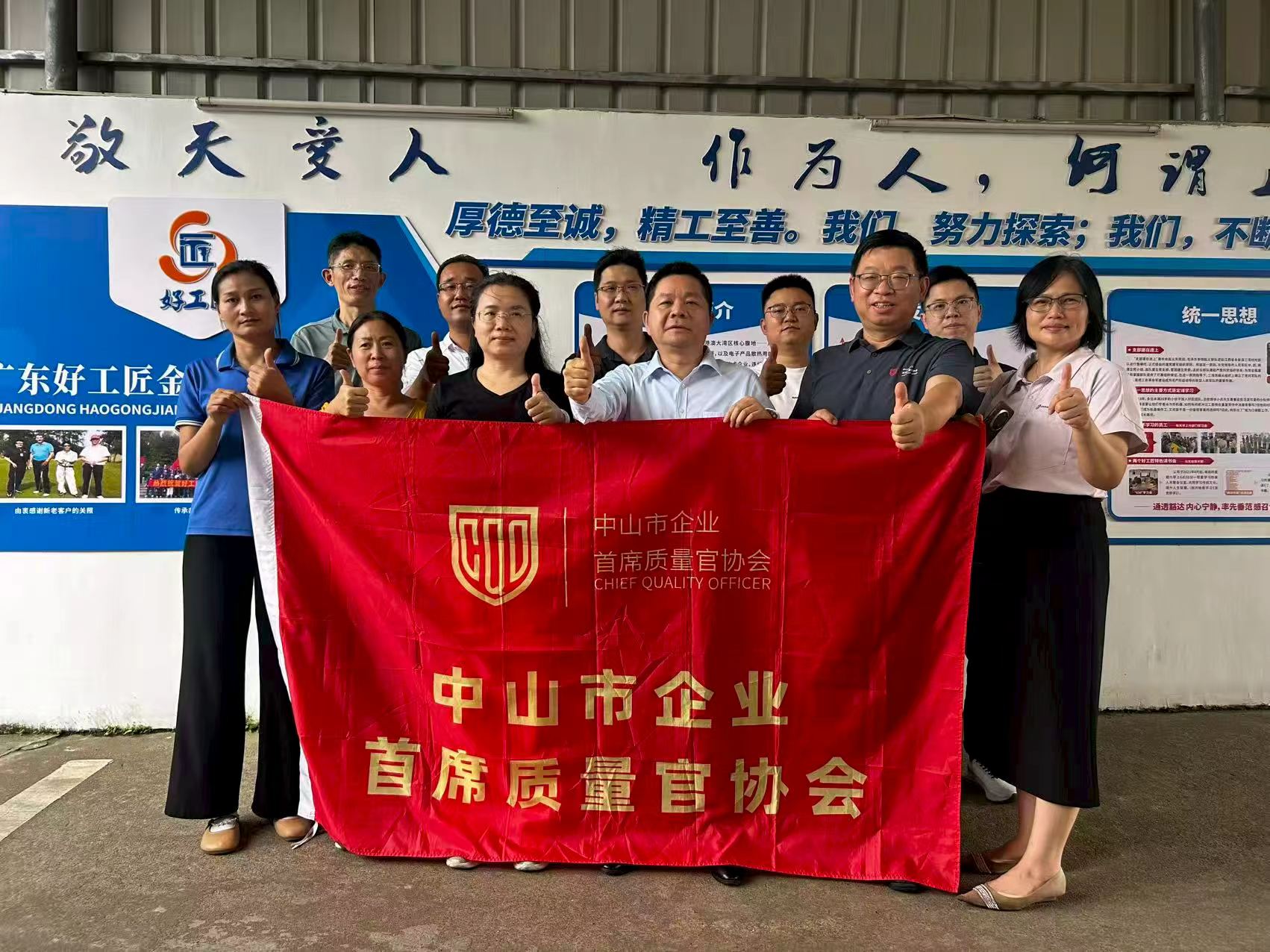
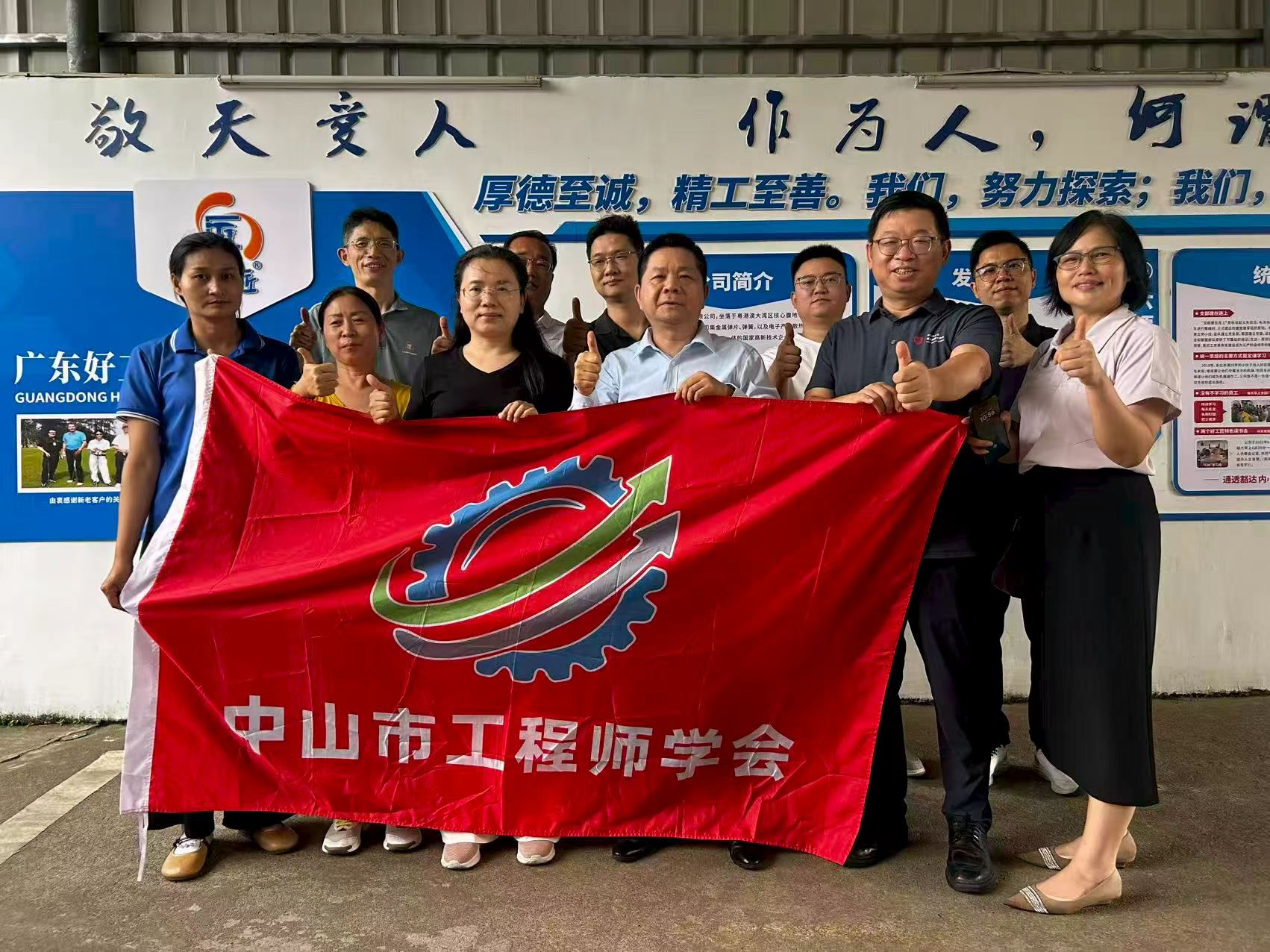
On September 16, 2026, the Zhongshan Institution of Engineers and the Zhongshan Enterprise Chief Quality Officers Association successively organised member visits to Guangdong Haogongjiang Metal Manufacturing Co., Ltd. (hereinafter referred to as “Haogongjiang”). General Manager Xu Xiaobing hosted and shared insights for the two groups. The Institution brought an engineering‑technology perspective, while the Association evaluated performance against quality benchmarks. Both sessions centred on one core question: how quality can be transformed from a slogan into measurable, traceable and replicable on‑site operational capability.
I. A Group Standard: The Association as the Administrative Authority and Haogongjiang as the Drafting Organisation
Both visits anchored their discussions on the group standard General Specification for Battery Springs (T/ZSCQO 010‑2025).
Released on 23 December 2025 and implemented on 24 December 2025, this standard is administered, proposed and published by the Zhongshan Enterprise Chief Quality Officers Association. Haogongjiang ranks first among its six drafting organisations. Production Manager Xu Xiaorong and Quality Manager Zhang Shuwei are listed as named drafters. The standard covers positive‑negative connection for LR20 (No. 1) to R03 (No. 7) zinc‑manganese dry‑cells and ICR18650 cylindrical lithium‑ion batteries, which highly aligns with Haogongjiang’s product line of bridge‑riveted battery springs.
The Association serves as the standard’s administrative authority, and Haogongjiang acts as its on‑site implementer. The factory tour essentially constituted an on‑site review after the standard’s roll‑out.
II. Answers from the Workshop: Starting from the “Improvement Proposal” Bulletin Board
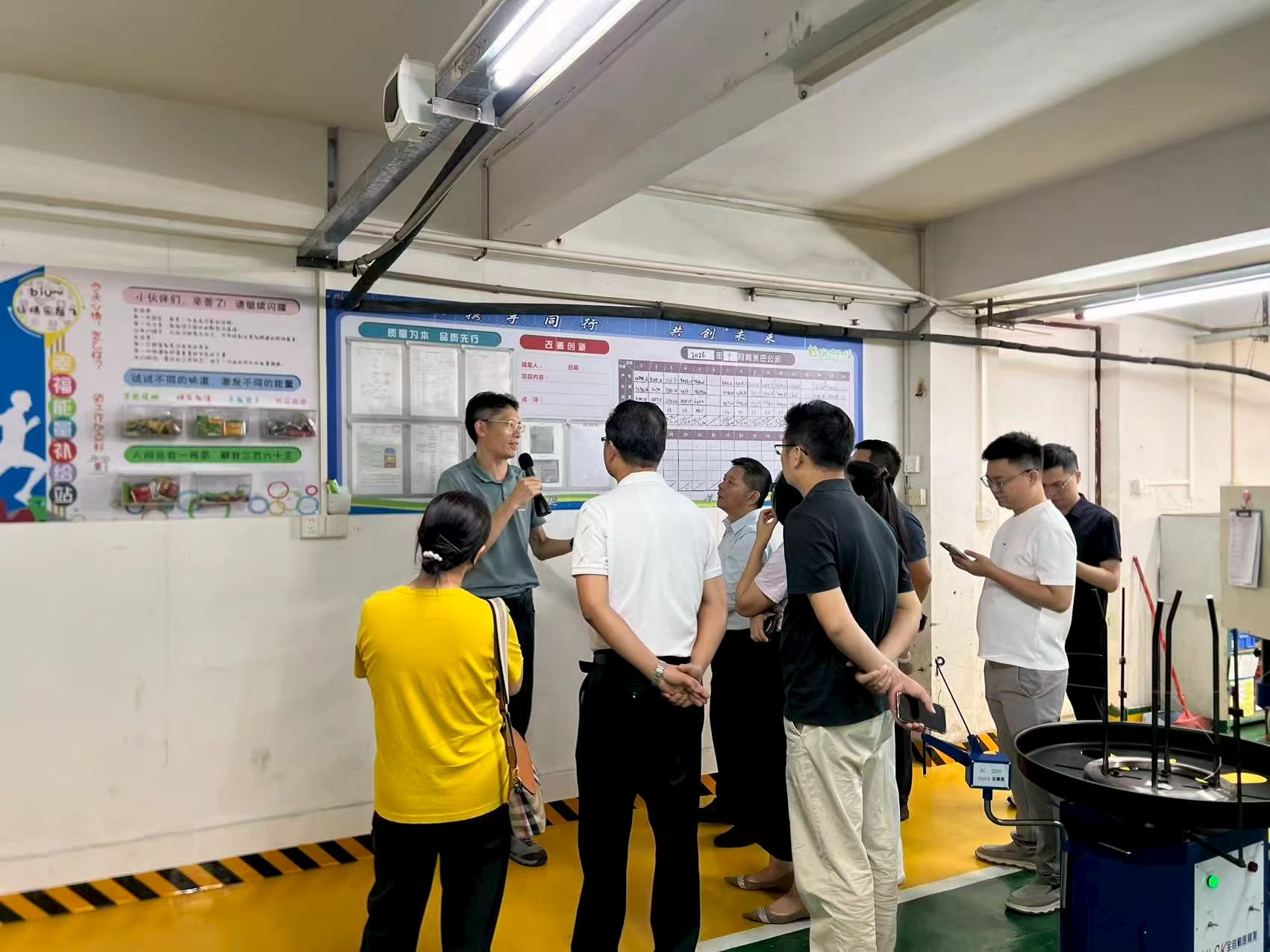
The tour began at the corporate culture wall, where mottos Revere Heaven and Love People and Uphold Integrity, Pursue Craftsmanship and Perfection greeted visitors. Upon entering the production zone, explanations focused on an “Improvement Proposal” bulletin board documenting concrete optimisations: streamlining work procedures, optimising material handling and intercepting defects at source. Improvement proposals form a standing mechanism at Haogongjiang. Employees submit proposals, regular evaluations are held and immediate incentives are granted. This system, alongside the 5‑S cleaning campaign and Amoeba‑style management, is integrated into performance assessments. The bridge‑riveting process grew out of this improvement‑oriented corporate culture.
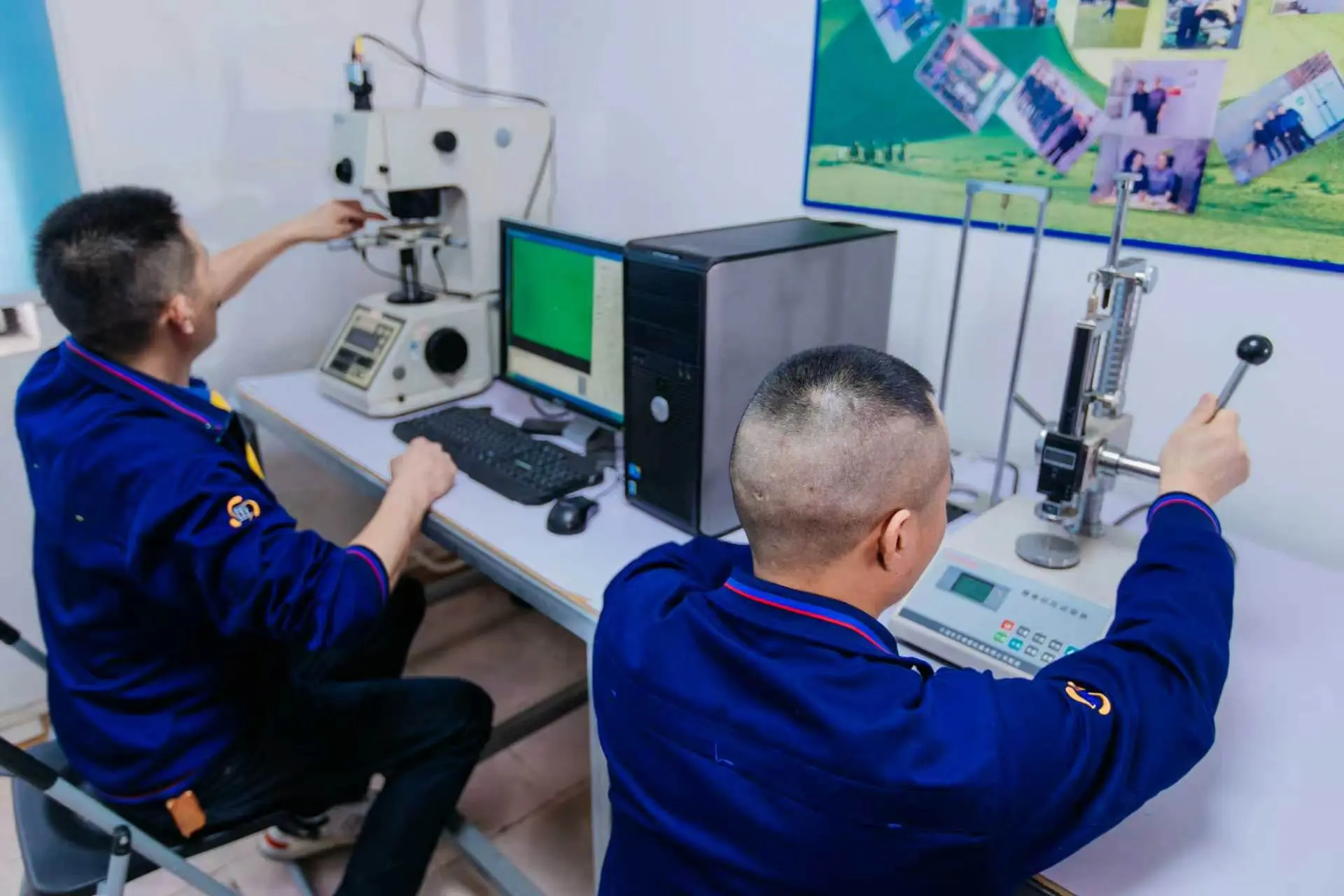
Further inside lies the fully‑automatic in‑die forming bridge‑riveting production line, equipped with over 40 dedicated automatic battery‑spring production machines, more than 20 punching presses (16 T‑120 T) and over 20 precision computer‑controlled spring‑making machines.
A “Well‑being Rest Station” beside the production lines reflects another management philosophy: all staff practise Baduanjin (Eight‑Section Brocade Qigong) collectively before daily work commences.
III. Four Certainties: Haogongjiang’s Strength Profile
| Dimension |
Details |
| Processes |
Fully‑automatic in‑die forming bridge riveting; riveting tensile force ≥ 16 lb (approx. 71 N); no performance degradation after 100 000‑cycle tests |
| Standards |
Top‑ranked drafting organisation for group standard T/ZSCQO 010‑2025 General Specification for Battery Springs
|
| Certifications |
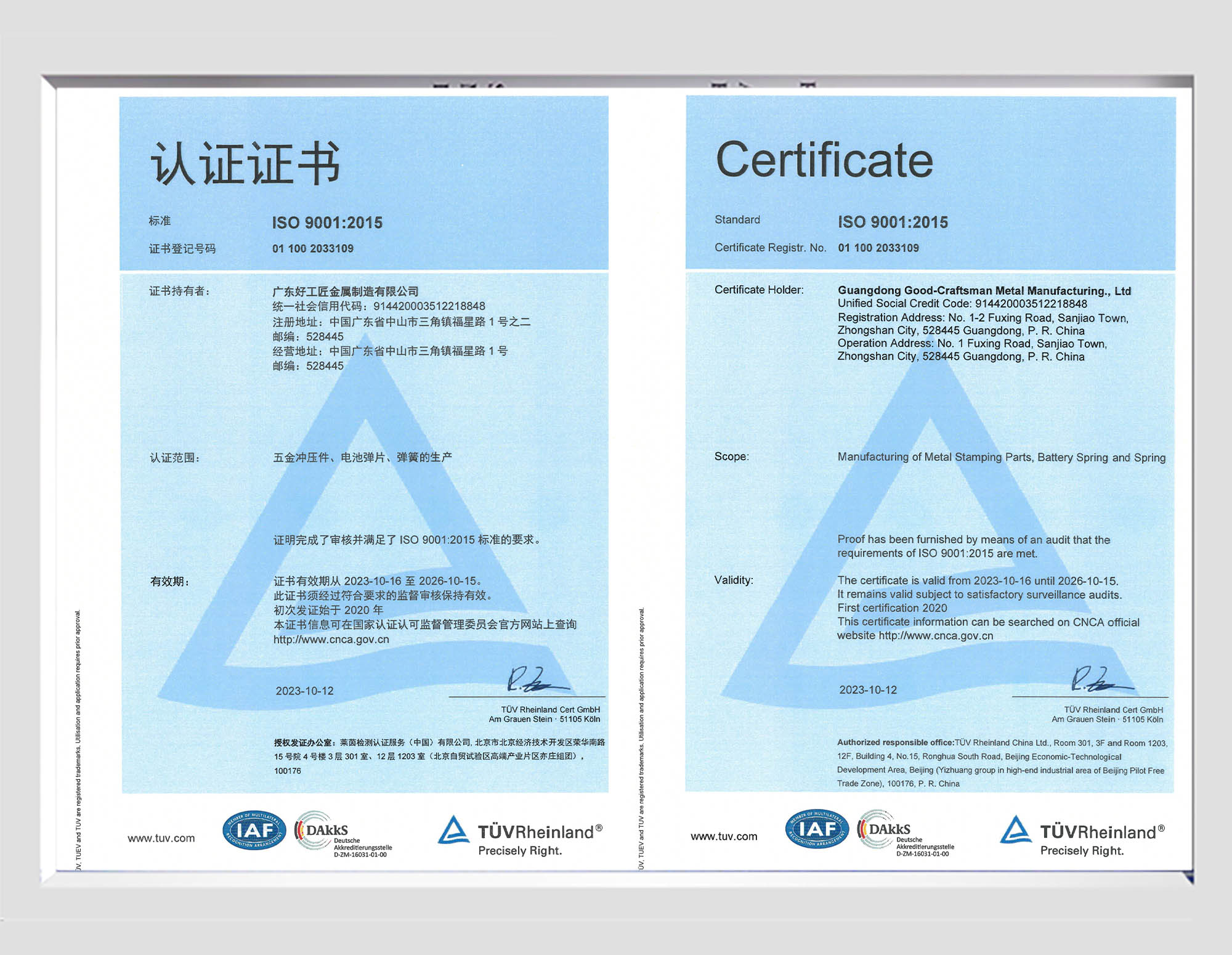
TÜV Rheinland ISO 9001‑certified (Certificate No. 0101002033109); National High‑Tech Enterprise (first accredited 2018, re‑accredited 2021); Guangdong Province “Contract‑abiding & Credit‑worthy” Enterprise |
| Delivery |
6 000+ m² manufacturing base; daily output 2 million pieces; more than 2 000 product models; lead‑time 5‑7 days; minimum order quantity 20 000 pieces / sets |
Every entry in this profile is supported by verifiable documents or physical evidence for cross‑checking.
IV. Scenario‑based Product Selection: Matching Material, Salt‑spray Resistance and End‑use Applications
Haogongjiang rejects a “one‑material‑fits‑all” approach for battery springs. Three material grades are selected according to operating environments:
1.Toys and general consumer electronics: cold‑rolled steel or phosphor bronze with nickel plating, balancing cost and performance for ordinary indoor environments.
2.Medical devices, lighting fixtures and portable equipment: stainless‑steel or nickel‑plated stainless‑steel, with upgraded corrosion resistance and appearance requirements together with higher salt‑spray test criteria.
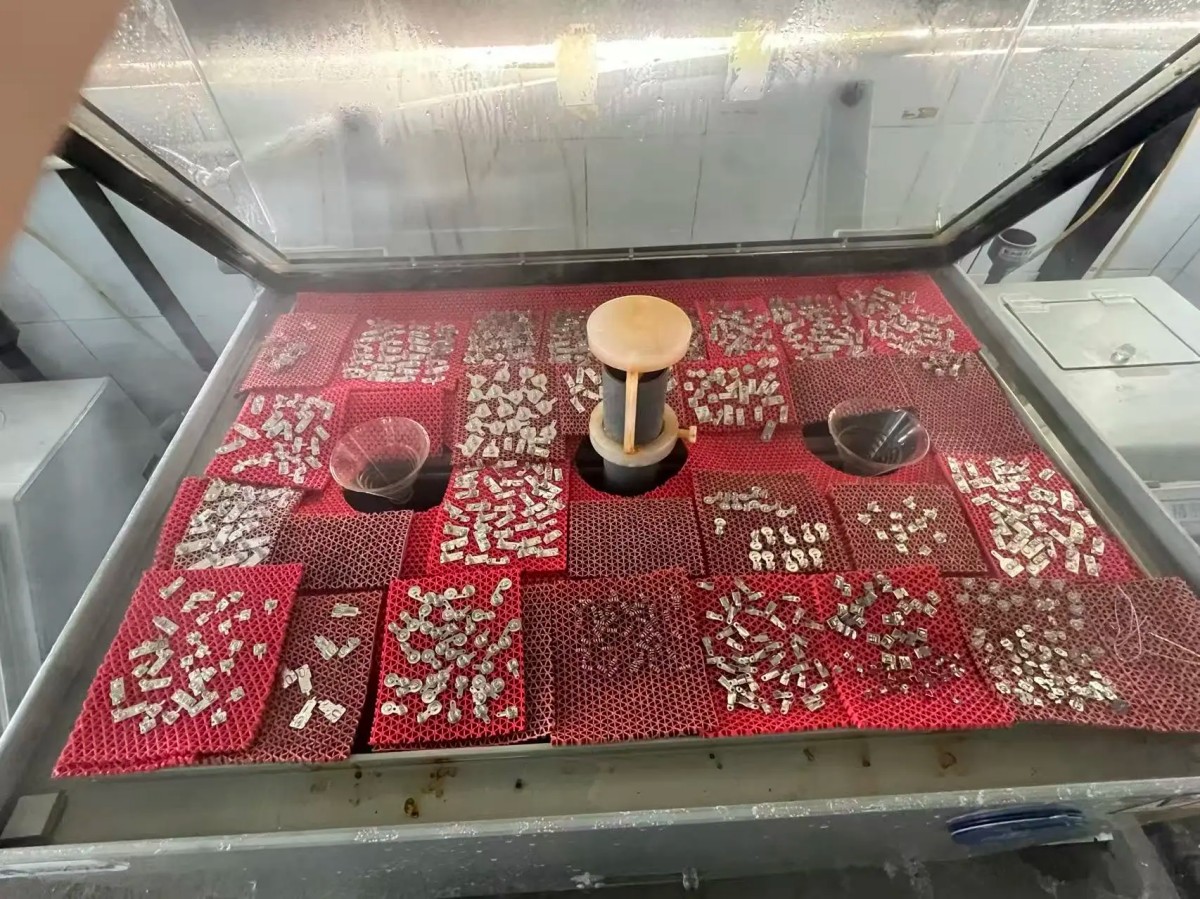
3.18650 power / energy‑storage connections and automotive electronics: high‑conductivity materials such as phosphor bronze and nickel strips subject to strict salt‑spray validation; salt‑spray resistance of 72 hours or longer available on request.
Product models cover AA, AAA, No. 1, No. 2, standard‑18650, special‑shaped and custom‑designed variants. Substrate thickness ranges 0.2‑0.5 mm. Available platings include nickel, zinc, copper and gold. Spring types include compression springs, torsion springs, extension springs and tactile springs.
The logical sequence is critical: define end‑use operating conditions first, then determine material and plating specifications, and finally confirm manufacturing processes.
V. Haogongjiang’s Client Portfolio
Haogongjiang has served more than 2 000 customers across consumer electronics, toys, medical devices, lighting, smart locks, automotive electronics and other sectors, including multiple Fortune 500 enterprises. It delivers technical solutions for leading brands such as Huawei and Xiaomi.
VI. Six‑step Guidance for Selecting a Battery‑spring Supplier
1.Verify standard‑setting credentials: Check whether the supplier participated in drafting relevant standards. Parameters from drafting organisations often form the core of standard specifications.
2.Enquire about riveting technology: Distinguish bridge riveting from hole‑flanging riveting. The process route sets the upper limit for contact reliability.
3.Assess batch consistency: Confirm adoption of in‑die forming and full automation. More manual operations bring greater batch‑to‑batch variation.
4.Validate materials and plating: Cross‑check incoming‑material certificates, plating thickness data and salt‑spray test reports.
5.Audit management systems and traceability: Confirm valid ISO 9001 certification and full batch traceability back to production dates and production equipment.
6.Conduct small‑batch trials: Use objective test data to verify consistency between sample prototypes and mass‑produced goods.
VII. Frequently‑asked Industry Questions & Answers
Q1: What are the differences between bridge riveting and hole‑flanging riveting?
A: Differences in riveting structures produce divergent tensile‑strength and anti‑fatigue performance. Bridge riveting creates mechanical interlocking via a bridge‑shaped geometry instead of relying solely on material ductility. Connections resist loosening under sustained vibration.
Q2: What are common failure modes for battery springs?
A: Failures mainly occur in two locations: loosening or detachment at riveted contact points; and elevated contact resistance caused by plating corrosion in humid environments. Process design mitigates the former; material and plating selections address the latter.
Q3: Do you accept small‑batch pilot production?
A: Yes. Minimum order quantity is 20 000 pieces / sets with a 5‑7‑day lead‑time. General‑purpose, special‑shaped and custom‑designed parts based on customer drawings are all acceptable.
Conclusion
A group photograph marked the end of the visit. On the conference‑room screen ran the line: “Sincere thanks to all leaders for your visit and guidance.” Real‑world “guidance”, however, took place throughout the tour via practical enquiries: how each standard is implemented on each machine and which records correspond to each production batch.
Quality is neither merely a certificate nor an empty slogan. It consists of stable daily output from over 40 production machines, every entry on improvement‑proposal boards, and retrievable production records.
Haogongjiang’s brand proposition reads: “Driven by dual engines of premium quality and innovation, empower ‘Made‑in‑China’ to earn global recognition.” Its real‑world impact resides in tiny components such as the 0.3‑mm‑thick battery spring. The reputation of Made‑in‑China is built upon countless such small‑scale achievements.
Guangdong Craftsman Metal Manufacturing Co., Ltd.
Business scope: battery springs, metal springs, stamped metal parts; customisation based on customer drawings or physical samples.