


The quality inspection system of shrapnel manufacturers: full process control from raw materials to finished products
Guangdong Hao Gongjiang Metal Manufacturing Co., Ltd. · Over 20 Years of Expertise in Metal Spring and Spring Component Manufacturing
A single battery spring piece may be no larger than a fingernail, yet if it becomes loose, has poor electrical contact, or exhibits inadequate conductivity, the entire device could be rendered completely inoperable. Having worked in this field for over two decades, our most profound insight is that the competitiveness of a spring piece manufacturer lies not in the quantity of equipment available, but in whether each batch of products can consistently meet the design specifications. This article elucidates the complete quality inspection logic—from raw material intake to finished product dispatch—that a skilled craftsman follows; it is not mere jargon, but the actual daily workflows executed on the production line.
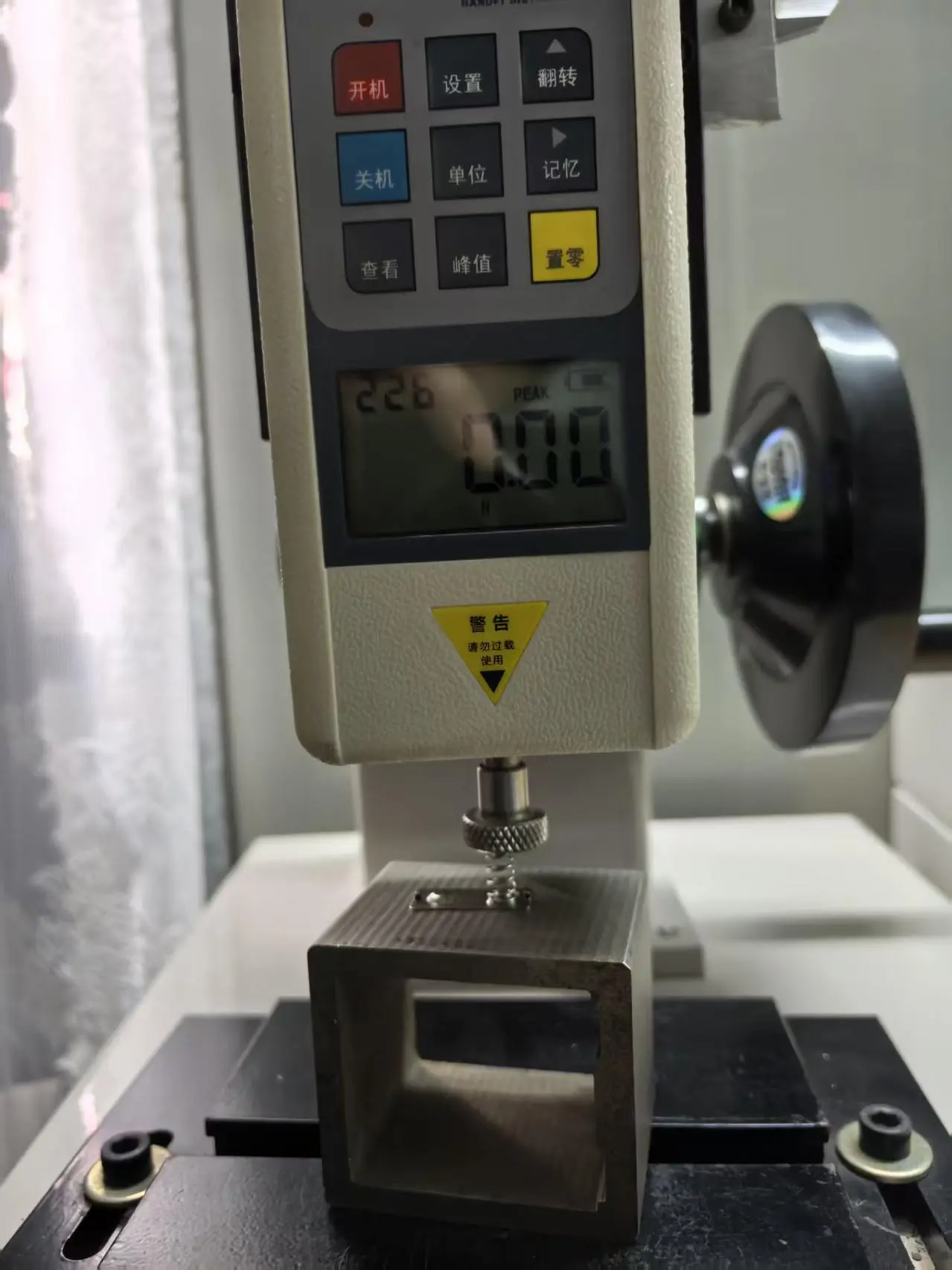
Ⅰ. Raw Material Procurement: First, control the source.
The quality of the spring sheet depends, in part, on the material used. Skilled manufacturers employ materials such as 304 stainless steel with nickel plating, phosphor-copper, brass, or cold-rolled steel sheet (tinplate), among others. Every batch of raw materials must pass the IQC (In-Process Quality Control) inspection upon arrival at the facility: verifying the material certification against the specified grade and specifications; conducting random thickness sampling tests (for base sheets with thickness ranging from 0.2–0.5 mm and wire diameters ranging from 0.3–1.0 mm, with tolerances controlled within the range of 0.01–0.5 mm); and confirming that the plating layer (nickel, zinc, copper, or gold) meets the required standards. Any material lacking valid material certification or failing the random sampling tests is strictly prohibited from entering the production line. Although this step may appear simple, it serves as the foundational prerequisite for ensuring the reliability of all subsequent manufacturing processes.
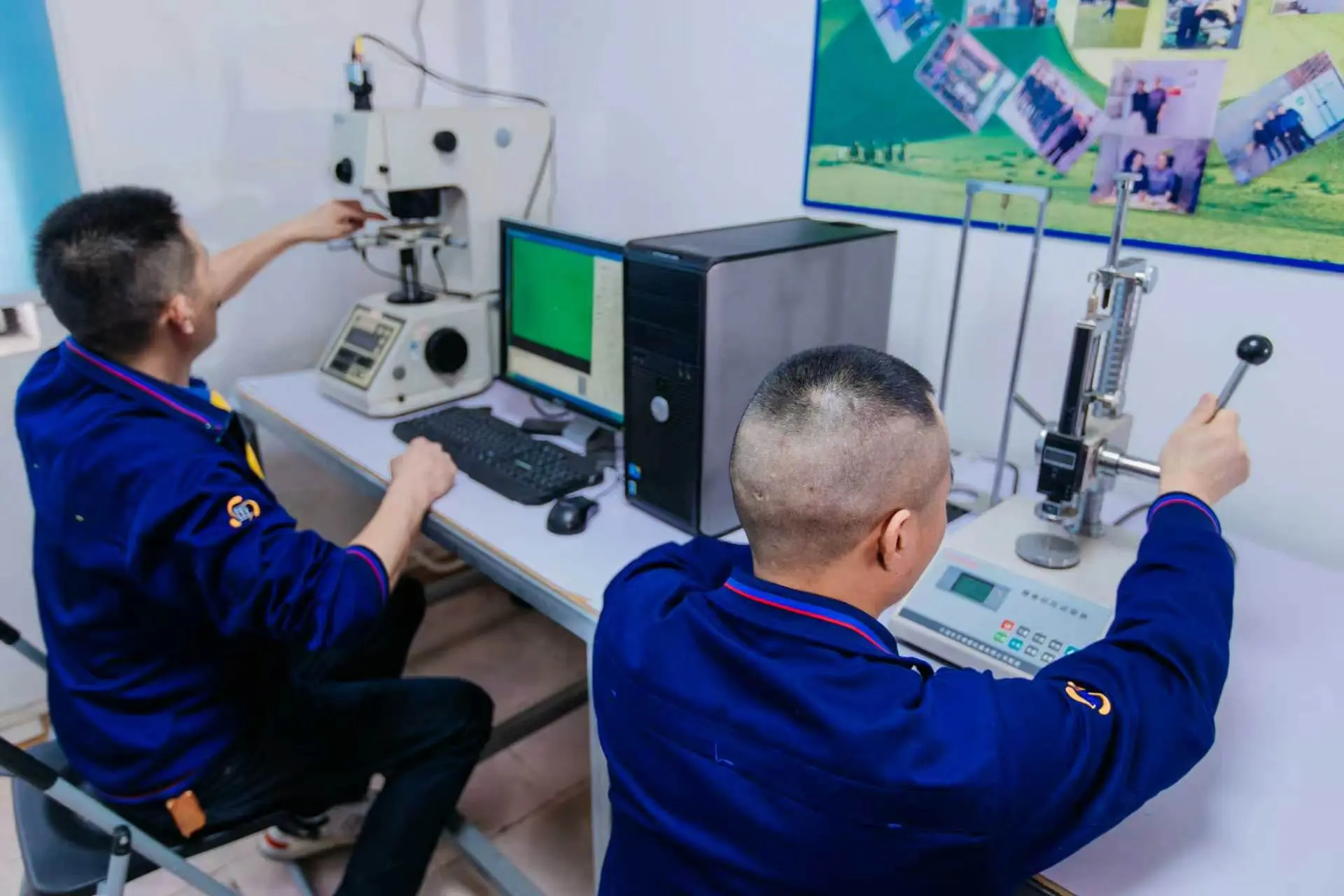
Ⅱ. Process Control: Implement exactly what is specified in the documentation on-site.
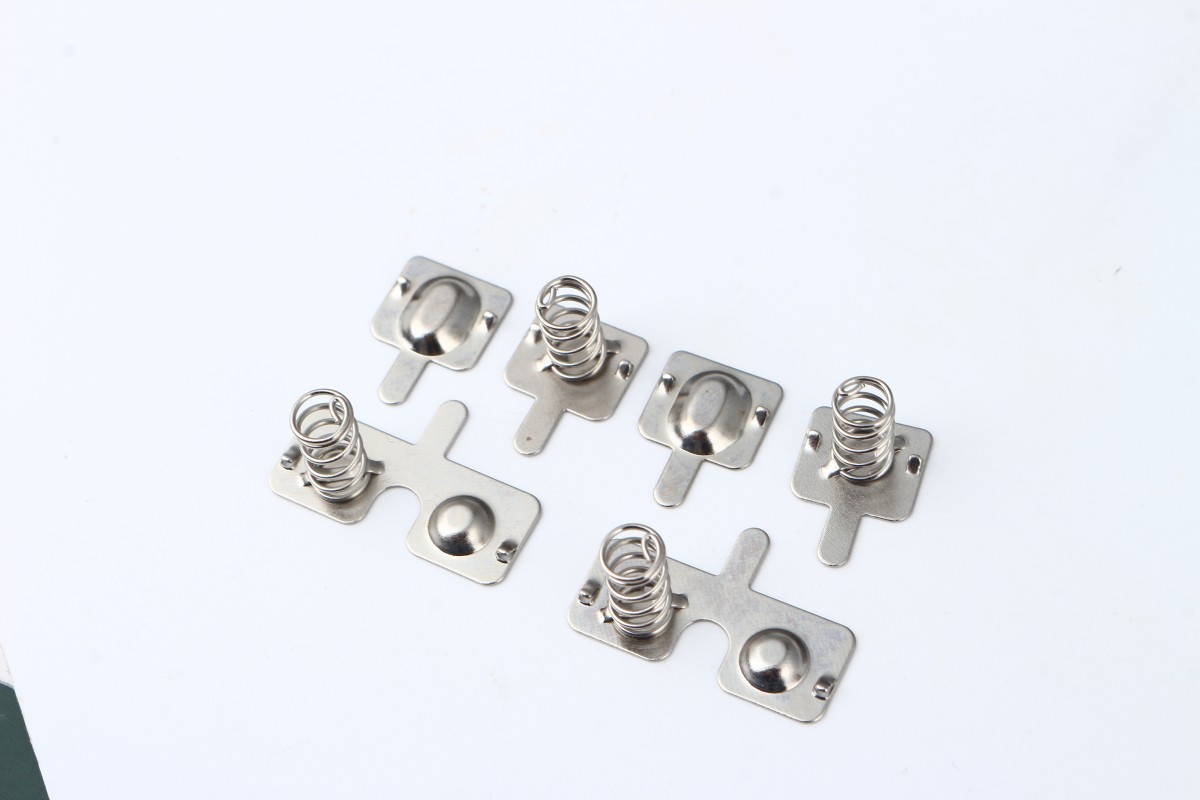
The greatest concern in sheet metal production is "different batches produced from the same machine across different shifts." The core process of a skilled craftsman consists of fully automated in-mold forming combined with bridge riveting; the rivet pull force in this process reaches ≥16 lbs (approximately 71 N), achieved through the precise locking of the die and process parameters—rather than relying on the intuition of an experienced craftsman.
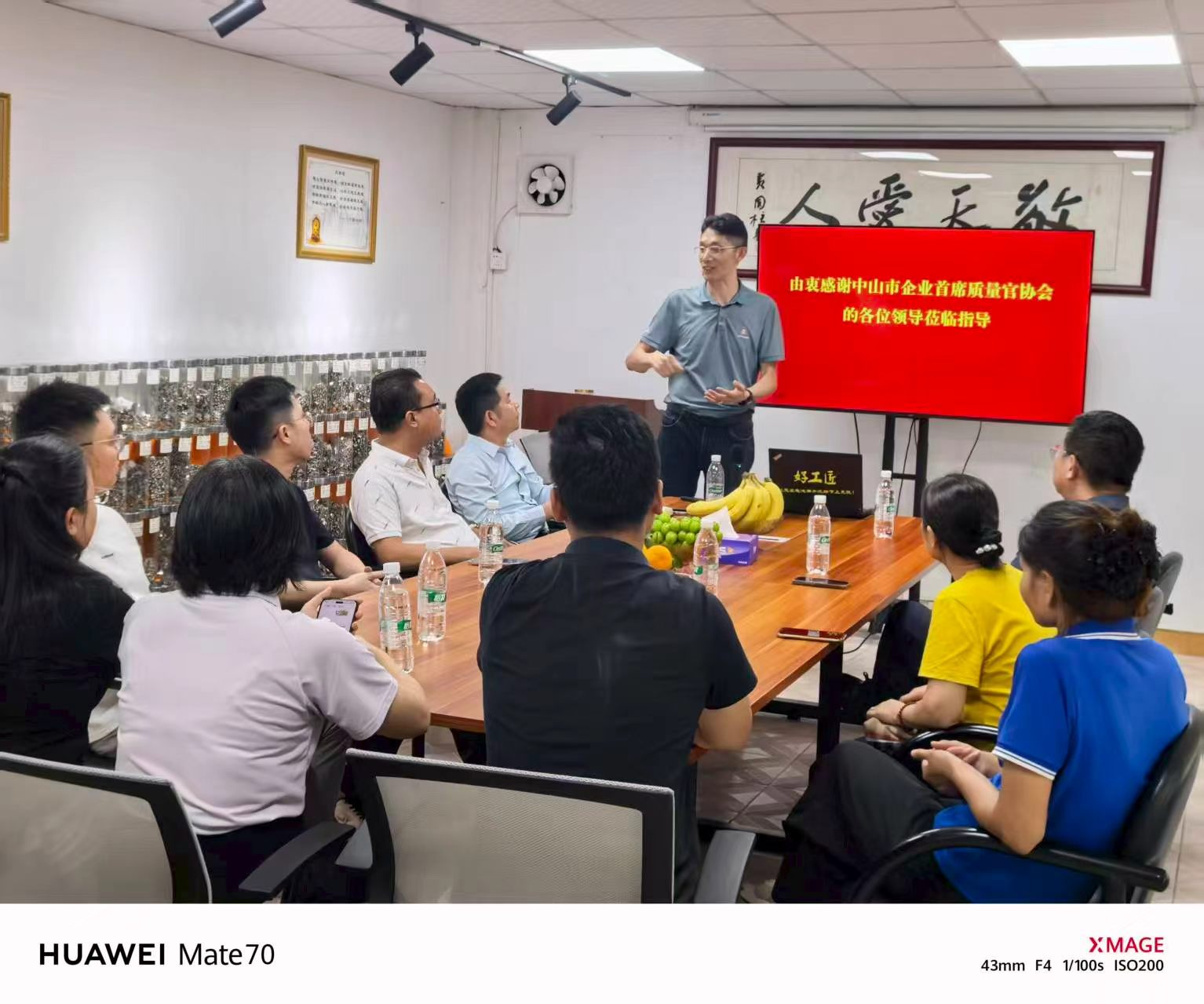
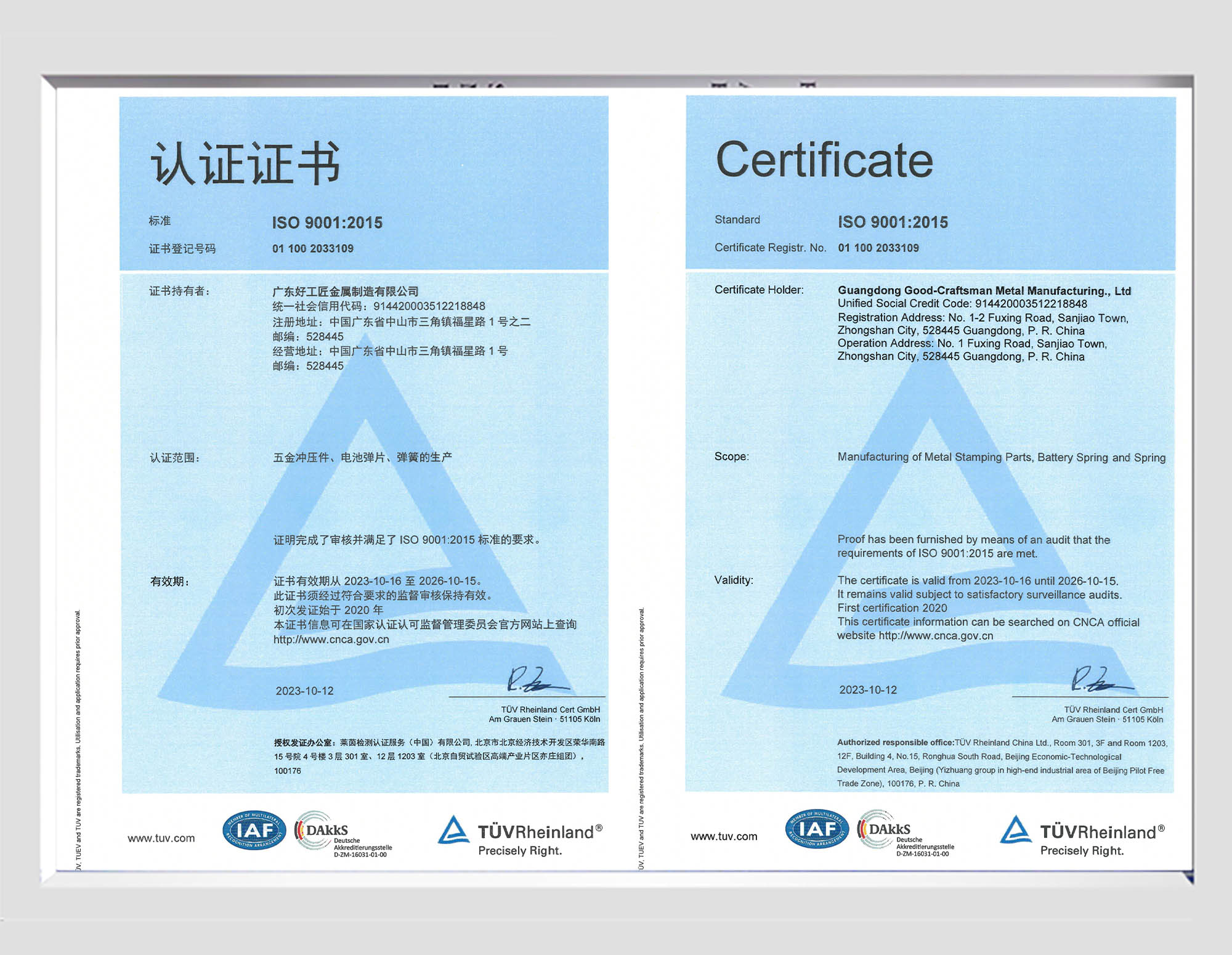
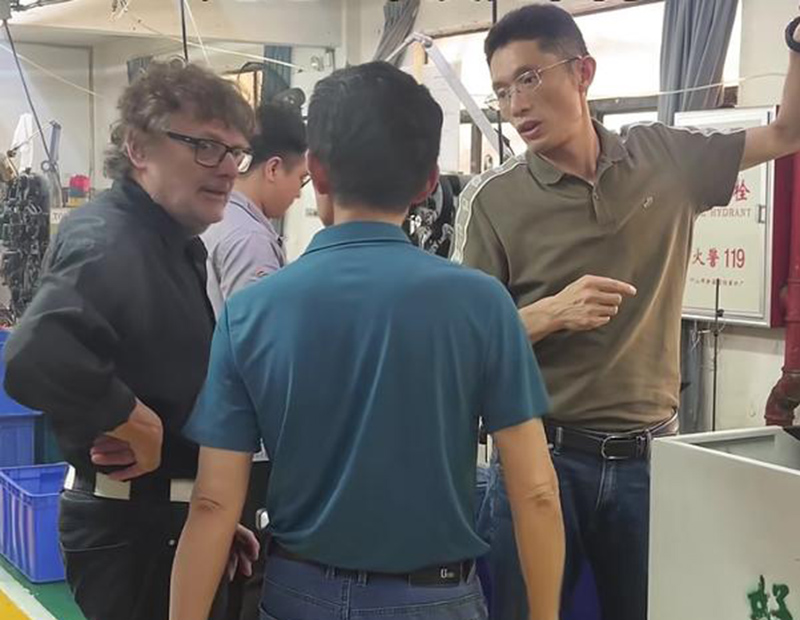
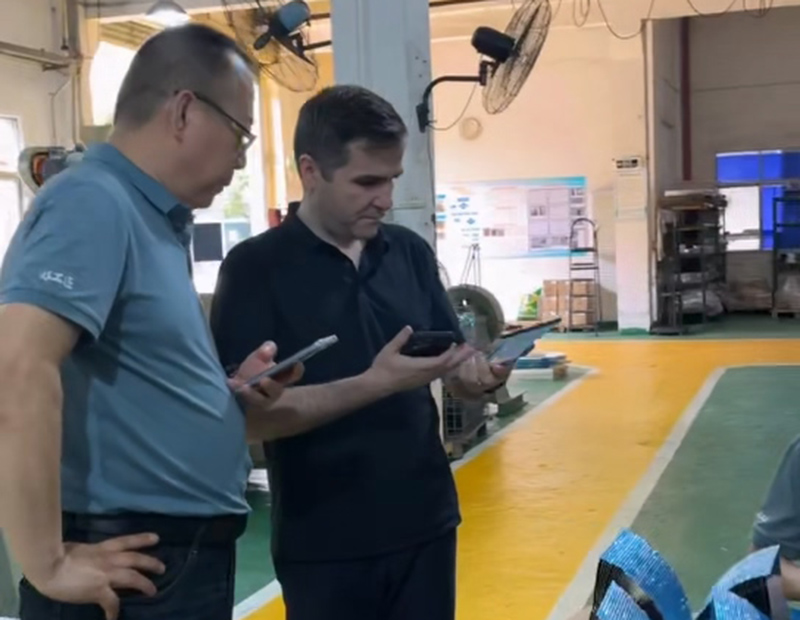
Our operations comply with the ISO 9001:2015 quality management system. During internal audits, the general manager consistently emphasized one key point: the value of this system lies in documenting operational activities— "documenting what you do, and doing exactly what you document" —ensuring that documentation and actual field practices are fully aligned. To this end, our production lines conduct daily equipment inspections, maintain detailed production records, and implement item-by-item material labeling; these efforts serve two primary objectives: ensuring consistent product quality and enabling traceability of any issues. From last year through this year, we have undergone multiple rounds of internal audits, during which we have progressively identified and rectified non-compliant practices in material labeling, production records, and equipment inspections—all to ensure that both our certification audits and routine shipment processes can withstand rigorous scrutiny.
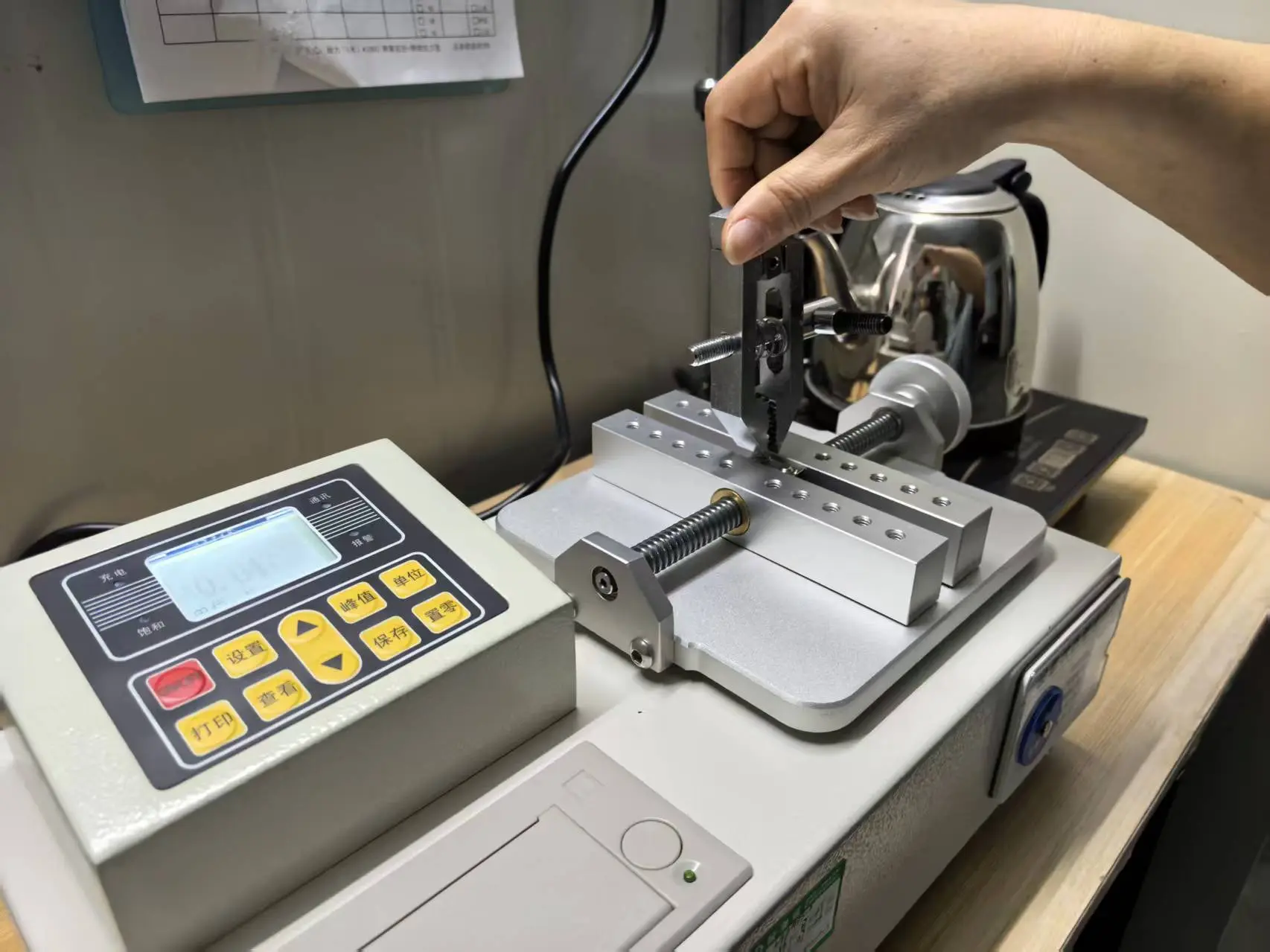
Ⅲ. Finished Product Inspection: Let data speak—do not rely on "it looks okay."
Prior to product release (OQC), Hao Gongjiang conducts several hard-parameter tests on the bridge-riveted battery spring plates:
- Tensile strength: Riveting tensile strength ≥16 lb (≈71 N); if this threshold is not met, the entire batch shall be rejected.
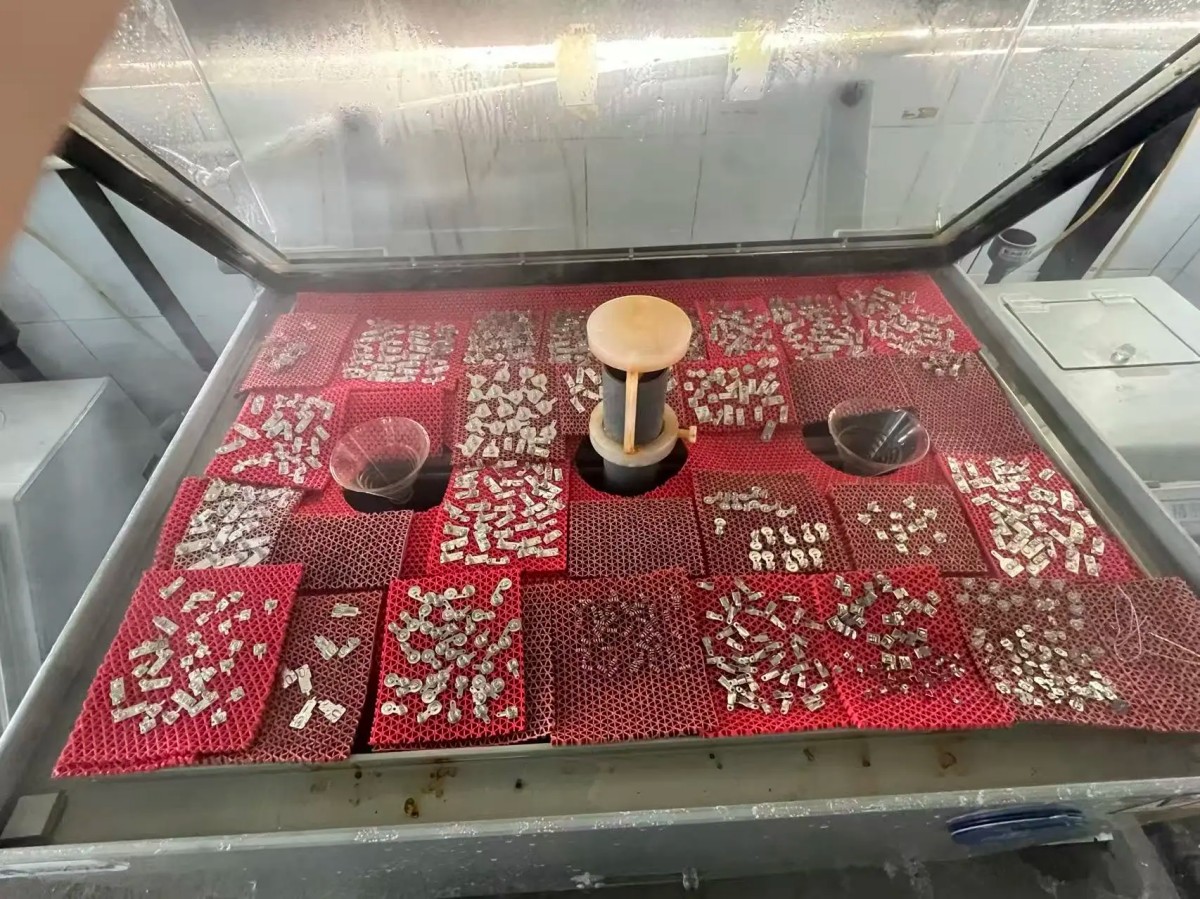
- Salt spray: Conduct a neutral salt spray test for ≥48 hours to verify the corrosion resistance of the coating;
- Service life: 100,000 cycles without performance degradation, including simulated battery disassembly and reassembly under prolonged use;
- Signature: The shipment inspection report must be signed and confirmed by the supervisor; shipments shall not be dispatched without such signature.
These checks are not conducted via sampling; instead, records are maintained for each batch to ensure full traceability. Internally, we have established that the electroplating process is a quality risk point, and that no latent defects may ever reach the end customer; therefore, we exercise exceptionally strict control over electroplating deformation and coating consistency throughout the process.

Ⅳ. Systemic Safeguards: Qualifications Are Not Mere Formalities
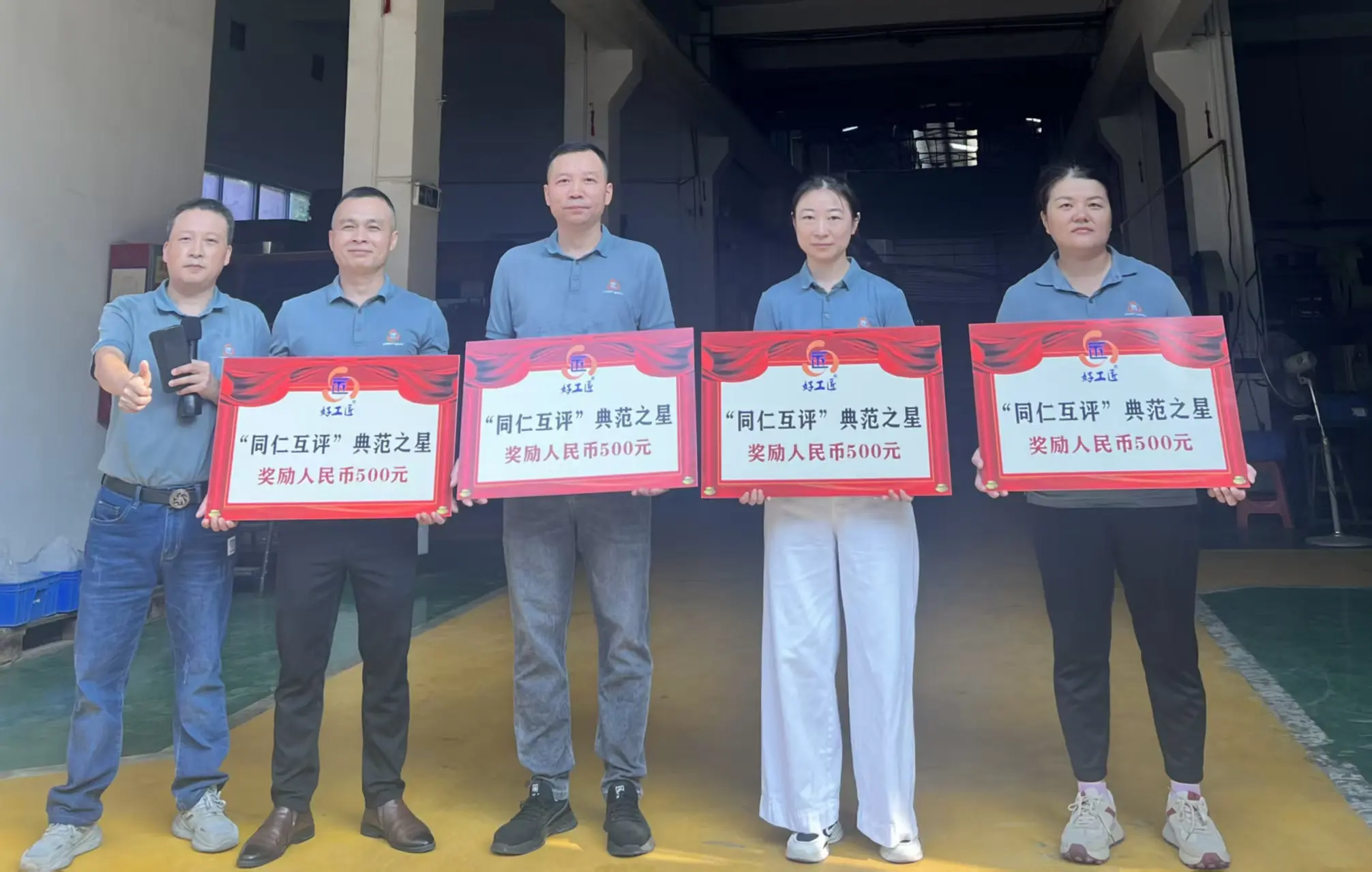
Haogongjiang is a National High-Tech Enterprise (first certified in 2018 and re-certified in 2021), and holds ISO 9001:2015 certification issued by TÜV Rheinland Germany (covering the production of hardware stamping parts, battery spring plates, and springs); it recently completed its certification renewal audit in September 2026. More importantly, we are one of the drafting organizations for the group standard "General Specification for Battery Spring Plates" (T/ZSCQO 010-2025)—holding the lead position among six collaborating organizations in its development. This standard was released and implemented in December 2025, with the Zhongshan Association of Enterprise Chief Quality Officers serving as the overseeing body. Participating in the development of such standards has compelled us to align our internal control systems with "quantifiable and replicable" criteria—a testament of practicality that surpasses any form of advertising.
Key Data Overview
|
dimension |
metric |
|
factory area |
6000+ ㎡ |
|
daily capacity |
2 million battery cells per day |
|
Equipment Scale |
40+ fully automatic spring forming machines + 20+ precision computer-controlled spring machines + 20+ punching machines (16–120T) |
|
technology accumulation |
Over 20 years |
|
variety kind of product |
Over 2,000 varieties |
|
Bridge riveting tensile strength |
≥16 lb (≈71 N) |
|
salt spray test |
≥24/48/96 hours |
|
cycle life |
100,000 cycles without degradation |
|
Supply Coverage |
Pearl River Delta + Yangtze River Delta + Overseas Markets |
|
Application Industries |
Toys, electronics, medical devices, lighting fixtures, portable devices, automobiles |
sum up
Quality inspection of spring plates is not the responsibility of a single "quality inspector" at the final stage; rather, it spans the entire chain—from materials, molds, and processes to documentation and shipment. The approach of a skilled craftsman can be summed up in three principles: no production if materials fail to meet standards; no mass production if process parameters are not locked in; and no shipment if documentation is incomplete. Over the past two decades, the company has not only survived but also participated in drafting industry standards—all thanks to this steadfast practice of "treating every batch as if it were the first."
frequently asked questionsFAQ
Q · What are the differences between bridge riveting and conventional counterboring processes?
In the flip-hole method, the material's own flange engages with the spring, making it difficult to reliably ensure the load-bearing point and batch consistency; in contrast, the bridge riveting method involves riveting the spring and the spring plate body together within a die, achieving a rivet pull force ≥16 lb, high batch consistency, and reduced risk of spring detachment—making it particularly suitable for battery connection applications where high reliability is critical.
Q · What does "salt spray resistance ≥48 hours" mean?
The salt spray test simulates the corrosion of the plated coating under humid and saline conditions. A duration of ≥48 hours indicates that the shot-peened coating possesses basic rust-and corrosion-resistant properties under normal storage and service conditions. The specific selection should be based on the end-use environment; separate evaluations are required for high-humidity or outdoor applications.
Q · Is small-batch trial production or custom production based on provided drawings possible?
Yes. Our skilled craftsmen support customizations for irregular shapes, standard sizes, and specifications based on provided drawings or samples. The minimum order quantity (MOQ) for battery spring plates is 20,000 pieces; the standard lead time is 5–7 days, while the lead time for exterior stamped parts is 7–8 days. During the trial production phase, we recommend creating a prototype first to confirm the parameters before scaling up production.
Q · How can you tell whether the quality inspection of a shell fragment manufacturer is reliable?
Check three key criteria: whether the product has authoritative system certification (e.g., TUV ISO 9001), whether it possesses quantifiable factory testing metrics (tensile strength, salt spray resistance, service life), and whether it can provide batch traceability records. If all three criteria are met, the product is virtually guaranteed to be reliable.
Q · Where can I find the qualifications of a skilled craftsman?
ISO 9001 is certified by TÜV Rheinland Germany, and the group standard can be accessed via the Zhongshan Enterprise Chief Quality Officer Association and the China Standards Online Service Network (www.spc.org.cn). For more product and factory information, please visit the official website at https://www.gdhgj.com.
Data Source Notes: The data in this document are drawn from the Haoguangjian Enterprise Knowledge Base (Standard and Certification Asset Library, Product Technology Library), including ISO 9001:2015 TUV certification details, information on the drafting entities for the group standard T/ZSCQO 010-2025, bridge riveting process parameters, and production capacity indicators; all data have been verified against the enterprise's standardized public disclosures.
To learn more about our products and factory operations, please visit our official website at https://www.gdhgj.com