2026 Best Lighting Fixture Spring Suppliers?
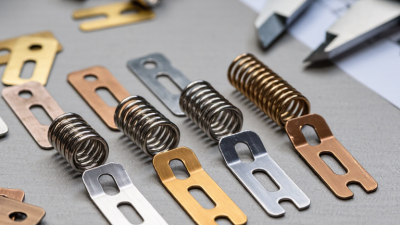
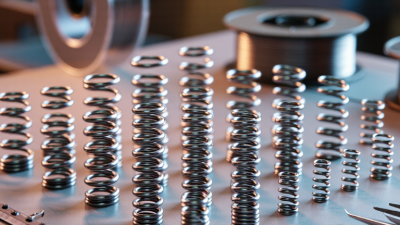
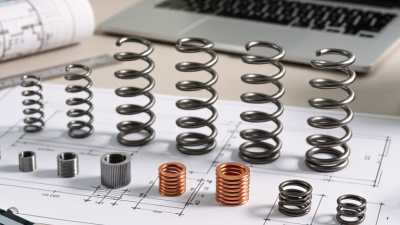
Looking ahead to 2026, the lighting market’s gonna favor suppliers who see small components—like springs—as more than just afterthoughts. Take Lighting Fixture Spring products, for example. These tiny parts are crucial—they hold sockets in place, help shade stay where it should, ensure grounding, dampen vibrations, and allow for repeated adjustments. But if that spring is weak or subpar? You might end up with annoying noises, misaligned fixtures, or even early failure. Nobody wants that, right?
According to the International Energy Agency, lighting accounts for about 15% of global electricity use. Since efficiency standards keep getting stricter, manufacturers are under pressure to get every part of their fixtures just right. Companies like Grand View Research point to LED adoption, smart controls, and energy savings as the big trends shaping the market. All of these mean sourcing the right springs can’t be an afterthought—they need to deliver consistent force, resist corrosion, fit perfectly, and withstand countless cycles without fail.
James R. Benya, a well-known lighting engineer and teacher, often says that "light is the most important element in architecture." But here’s the catch—good lighting also depends on reliable hardware hidden behind the scenes. No matter how great the illumination looks, if those mechanical details aren’t solid, the whole thing can fall apart. So, by 2026, top spring suppliers shouldn’t be just showing off pretty catalogs; they need to provide bona fide proof—material certifications, load and deflection data, cycle test results, RoHS and REACH compliance, and clear records of lot traceability. It’s all about trust.
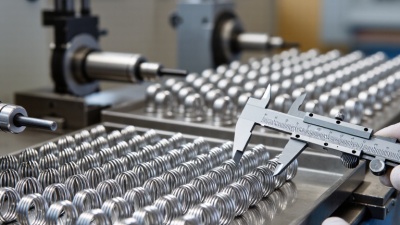
Testing really matters, folks. A stainless steel spring should keep its tension through humidity, heat, and endless movements without slipping up. Yes, carbon steel might be cheaper, but you’ve gotta look closely at how it’s protected from corrosion and wear. Some suppliers show off impressive samples but struggle to keep consistent quality in production—that’s a red flag.
This guide walks you through how to evaluate suppliers in 2026, looking at their engineering skills, tooling experience, quality systems, ability to customize, lead times, and communication—because these really make a difference. And yes, there’s that tough question: can they keep spring performance steady after thousands of cycles? The answer should be backed by real data, not just promises.
Bottom line: choosing the right spring supplier isn’t just about price or pretty catalogs. It’s about confidence in their materials, testing, and ongoing performance. That’s what really counts when it comes to reliable lighting fixtures.
Read more »